
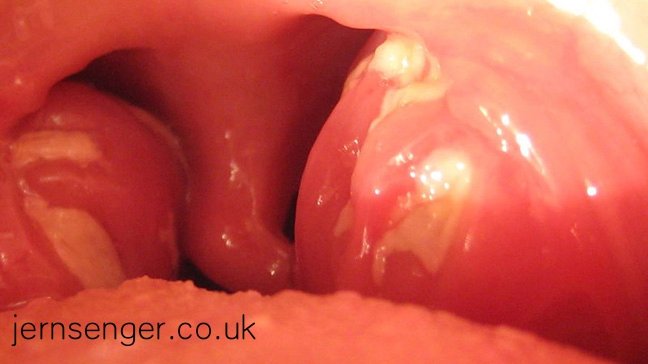
The term sourthrout has steadily gained attention in conversations around throat discomfort, digestive imbalance, and lifestyle-related irritation. Although not commonly discussed in mainstream medical literature, sourthrout is increasingly used by people to describe a specific sensation that blends throat soreness with acidic or bitter irritation. This article explores sourthrout in depth, explaining what it means, why it occurs, how it affects daily life, and how it can be managed naturally and responsibly.
Understanding sourthrout requires looking beyond simple throat pain. It involves the interaction between digestion, breathing, vocal use, diet, and environmental exposure. By examining sourthrout from a holistic perspective, readers can better recognize its symptoms, identify triggers, and make informed choices to reduce discomfort and prevent recurrence.
What Is Sourthrout and Why the Term Matters
Sourthrout is commonly used to describe a persistent throat sensation characterized by sourness, irritation, dryness, or a mild burning feeling. Unlike an ordinary sore throat caused by infection, sourthrout often develops gradually and may fluctuate throughout the day. Many people report that it worsens after eating, speaking for long periods, or lying down.
The word itself reflects how the condition feels rather than a formal diagnosis. “Sour” suggests acidity or bitterness, while “throut,” a stylized form of throat, emphasizes location. This makes sourthrout a practical, experience-based term that resonates with people who struggle to explain their discomfort in clinical terms.
Because sourthrout is descriptive rather than diagnostic, it is often associated with lifestyle patterns, digestive responses, and environmental factors rather than a single disease.
Common Causes of Sourthrout in Daily Life
Sourthrout rarely appears without reason. It typically develops due to a combination of internal and external factors that irritate the throat lining over time.
One of the most common contributors is acid reflux or mild digestive backflow. When stomach acids travel upward, they can irritate the throat without causing obvious heartburn. This leads to the sour or bitter sensation that defines sourthrout.
Diet also plays a role. Frequent consumption of acidic foods, spicy meals, caffeinated drinks, or carbonated beverages can gradually sensitize the throat. Eating late at night or overeating can increase pressure on the digestive system, making sourthrout more likely.
Environmental factors such as dry air, pollution, smoke, or excessive air conditioning may worsen the condition. These elements dry out throat tissues, making them more vulnerable to irritation.
Vocal strain is another overlooked cause. People who speak loudly, sing frequently, or work in professions that demand constant talking often experience sourthrout due to micro-irritation and dehydration of the throat.
How Sourthrout Feels and How It Differs from a Typical Sore Throat
The sensation of sourthrout is distinct from infection-based throat pain. Instead of sharp pain or swelling, sourthrout often feels scratchy, acidic, or tight. Many individuals describe a constant need to clear the throat, accompanied by a sour taste in the mouth.
Another defining feature is timing. Sourthrout symptoms may be minimal in the morning and worsen after meals, long conversations, or reclining. Unlike viral sore throats, it is rarely accompanied by fever or severe fatigue.
Understanding this difference is important because treating sourthrout like a cold or flu often leads to frustration. Antibiotics, lozenges, or cold medicines may offer little relief if the root cause is lifestyle-related rather than infectious.
The Role of Digestion in Sourthrout Development
Digestion plays a central role in many cases of sourthrout. When the digestive system struggles to process food efficiently, it can create excess acidity. This acidity may travel upward, subtly irritating the throat.
Poor digestion can result from irregular eating habits, high stress levels, or diets lacking in fiber. When digestion slows, pressure builds, increasing the chance of acidic backflow. Over time, this repeated exposure leads to chronic throat irritation.
Hydration also affects digestion. Insufficient water intake thickens digestive fluids, making them more irritating when reflux occurs. Staying hydrated supports smoother digestion and reduces sourthrout symptoms.
Lifestyle Patterns That Worsen Sourthrout
Certain daily habits quietly increase the likelihood of sourthrout. Eating quickly and lying down soon after meals prevents gravity from assisting digestion. This allows acidic contents to move upward more easily.
Smoking and alcohol consumption are particularly harmful. Smoke dries the throat and weakens protective tissues, while alcohol relaxes digestive muscles, encouraging reflux. Together, they significantly raise the risk of persistent sourthrout.
Stress is another major contributor. When the body is under stress, digestion slows, breathing becomes shallow, and muscle tension increases. This combination creates ideal conditions for throat irritation.
Poor posture, especially during long hours of sitting, compresses the abdomen and interferes with digestion. Over time, this can aggravate sourthrout symptoms without obvious warning signs.
Natural Ways to Manage Sourthrout Gently
Managing sourthrout begins with awareness rather than medication. Small, consistent adjustments often bring noticeable improvement.
Eating smaller meals allows digestion to proceed without excessive pressure. Choosing warm, balanced foods instead of heavily acidic or spicy meals helps soothe the throat lining.
Timing matters. Allowing at least two to three hours between eating and lying down reduces reflux risk. Elevating the head slightly during sleep can further minimize irritation.
Hydration is essential. Warm water and herbal infusions support throat moisture and digestion without stimulating acid production. Cold or sugary drinks may temporarily soothe but often worsen symptoms later.
Voice care is equally important. Resting the voice, speaking at a moderate volume, and avoiding constant throat clearing protect irritated tissues and promote healing.
When Sourthrout Becomes a Chronic Issue
Occasional sourthrout is usually manageable with lifestyle changes. However, persistent symptoms lasting several weeks may indicate a deeper imbalance that deserves attention.
Chronic sourthrout can affect sleep quality, concentration, and emotional well-being. The constant irritation may lead to anxiety about speaking, eating, or social interaction.
In such cases, professional guidance can help identify underlying causes such as silent reflux, food sensitivities, or environmental triggers. Addressing the root issue early prevents long-term discomfort and complications.
Emotional and Social Impact of Sourthrout
Although often dismissed as minor, sourthrout can quietly affect confidence and quality of life. People who rely on their voice for work may feel frustrated or limited. Social situations involving food or conversation may become stressful.
The persistent nature of sourthrout can lead to hyper-awareness of throat sensations, increasing discomfort through tension and worry. Recognizing the emotional aspect is essential for complete recovery.
Mindful breathing, stress reduction, and patience play a role in healing. When the nervous system relaxes, digestion improves and throat tissues recover more effectively.

Preventing Sourthrout Through Long-Term Habits
Prevention is the most effective approach to sourthrout. Building habits that support digestion, hydration, and throat care reduces the likelihood of recurrence.
Balanced meals, consistent sleep schedules, and regular movement keep the digestive system functioning smoothly. Avoiding excessive irritants protects sensitive throat tissues.
Listening to early warning signs allows for quick adjustments before discomfort becomes chronic. Prevention is not about restriction but about balance and awareness.
Conclusion: Why Understanding Sourthrout Matters
Sourthrout is more than a simple throat irritation. It is a signal from the body that digestion, lifestyle, or environment needs attention. By understanding its causes and recognizing its unique characteristics, individuals can take control of their comfort and well-being.
Rather than masking symptoms, addressing sourthrout at its roots leads to lasting relief. Gentle lifestyle changes, mindful habits, and patience allow the throat to heal naturally. When listened to early, sourthrout becomes not a problem, but a guide toward better balance and health.
Read More:https://jernsenger.co.uk/provascin/
Frequently Asked Questions About Sourthrout
What exactly causes sourthrout to appear suddenly?
Sourthrout often appears after dietary changes, increased stress, poor sleep, or digestive disruption. These factors can increase acidity or throat sensitivity, leading to sudden symptoms.
Is sourthrout contagious like a sore throat?
Sourthrout is not contagious. It is typically related to digestion, environment, or lifestyle rather than infection.
Can sourthrout go away on its own?
Yes, mild cases often resolve with hydration, dietary balance, and rest. Persistent symptoms may require deeper lifestyle adjustments.
Does sourthrout mean acid reflux?
Not always. While reflux is a common cause, sourthrout can also result from dryness, vocal strain, or environmental irritation.
When should someone seek help for sourthrout?
If sourthrout lasts several weeks, worsens, or interferes with daily life, professional evaluation is recommended to rule out underlying conditions.