
Pollaste is a term that has been gaining attention in various culinary and cultural discussions, yet many people are still unfamiliar with what pollaste truly represents. Whether encountered in traditional kitchens, regional conversations, or modern reinterpretations of classic dishes, pollaste carries a depth that goes beyond a simple definition. Understanding pollaste requires exploring its origins, preparation styles, cultural significance, and its evolving role in contemporary cuisine.
In this comprehensive guide, we will explore pollaste from multiple angles, uncovering its historical roots, culinary techniques, nutritional aspects, and the reasons behind its increasing recognition. By the end of this article, you will have a clear and well-rounded understanding of pollaste and why it continues to matter today.
Understanding Pollaste: Definition and Core Concept
Pollaste generally refers to a young chicken prepared in a traditional style, often associated with rustic cooking methods that emphasize freshness and simplicity. The term is commonly linked to regional culinary traditions where poultry plays a central role in everyday meals as well as celebratory feasts. In many contexts, pollaste symbolizes a tender, carefully selected bird cooked to preserve its natural flavor and texture.
Unlike industrial poultry production, traditional pollaste preparation often involves smaller-scale farming practices. This distinction contributes to its unique taste and texture. The focus is typically on quality over quantity, ensuring that each dish highlights the natural richness of the meat.
Pollaste is not merely a type of chicken; it reflects a culinary philosophy rooted in authenticity, respect for ingredients, and time-honored cooking techniques. The way pollaste is prepared can vary significantly depending on regional influences, family traditions, and available ingredients.
The Historical Origins of Pollaste
To fully appreciate pollaste, it is essential to look at its historical background. Poultry has been a staple food source in many parts of the world for centuries. The concept of preparing a young chicken with specific seasoning methods dates back to agrarian societies where livestock was carefully managed and valued.
In rural communities, pollaste often represented a special meal reserved for gatherings, festivals, or important family events. Raising chickens was a common practice, but selecting a young bird for a meal required intention and care. This practice gave pollaste a symbolic role in hospitality and celebration.
Over time, as trade routes expanded and culinary ideas spread, pollaste began to incorporate new herbs, spices, and cooking methods. However, its core identity remained connected to simplicity and freshness. The emphasis was always on allowing the natural flavors to shine rather than masking them with excessive ingredients.
Pollaste in Traditional Cuisine
Pollaste holds a respected place in traditional cuisine, particularly in regions where home cooking and farm-to-table practices are deeply embedded in cultural identity. The preparation methods often reflect a balance between practicality and flavor.
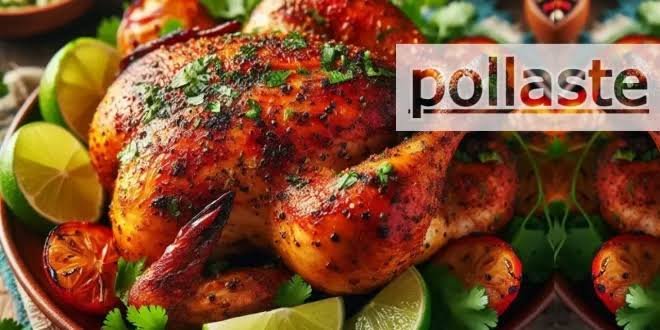
In many households, pollaste is roasted slowly over an open flame or baked in a clay oven. These methods help retain moisture while creating a crispy outer layer. The seasoning usually consists of salt, garlic, olive oil, and locally available herbs. The goal is not complexity but harmony.
Stewed pollaste is another common preparation. In this method, the chicken is simmered with vegetables, broth, and aromatic spices until it becomes tender. This style is especially popular during colder months when hearty meals are preferred.
Grilled pollaste offers yet another variation. The smoky aroma enhances the natural taste, and the cooking process often involves marination to ensure tenderness. Each approach reflects regional preferences and available cooking equipment, but all share a commitment to preserving the integrity of the ingredient.
Nutritional Value of Pollaste
Beyond its cultural importance, pollaste is valued for its nutritional benefits. As a source of lean protein, it supports muscle development, tissue repair, and overall health. Compared to processed meats, pollaste prepared in traditional ways typically contains fewer additives and preservatives.
The meat provides essential vitamins such as B6 and B12, which contribute to energy production and brain function. It also contains minerals like phosphorus and selenium that play vital roles in maintaining strong bones and supporting the immune system.
When prepared with minimal oil and paired with fresh vegetables, pollaste can be part of a balanced and nutritious diet. Its versatility allows it to fit into various dietary plans, including high-protein and moderate-fat regimens.
Cooking Techniques That Elevate Pollaste
Cooking pollaste effectively requires attention to detail. Because the bird is often young and tender, overcooking can result in dryness. Proper temperature control is essential to maintain juiciness while ensuring food safety.
Marination is a widely used technique. By soaking pollaste in a mixture of herbs, citrus, and olive oil for several hours, the meat absorbs flavor and becomes more tender. This step enhances the final dish without overwhelming the natural taste.
Slow roasting is another preferred method. Cooking at moderate heat allows the internal juices to circulate evenly. Basting during the process further prevents dryness and contributes to a golden exterior.
Some modern chefs experiment with sous vide preparation for pollaste, sealing it in a vacuum bag and cooking it in a precisely controlled water bath. This technique ensures consistent texture and flavor while preserving moisture.
Regardless of the chosen method, the guiding principle remains the same: respect the ingredient and avoid unnecessary complexity.
Pollaste in Modern Gastronomy
In recent years, pollaste has found a place in modern gastronomy. As diners increasingly seek authentic and locally sourced ingredients, traditional dishes are being reintroduced with contemporary twists.
Restaurants now reinterpret pollaste with creative plating, fusion flavors, and innovative cooking techniques. Chefs might pair it with exotic sauces or incorporate it into gourmet salads and artisanal sandwiches. Despite these changes, the emphasis on quality and freshness continues to define the dish.
The resurgence of interest in heritage foods has also contributed to the renewed popularity of pollaste. Consumers are becoming more conscious of where their food comes from and how it is produced. This awareness aligns perfectly with the traditional values associated with pollaste.
Cultural Significance of Pollaste
Pollaste carries cultural meaning beyond its role as a meal. In many communities, preparing pollaste is a shared activity that brings families together. Recipes are often passed down through generations, preserving culinary heritage.
Festive occasions frequently feature pollaste as a centerpiece dish. Its presence on the table symbolizes abundance and hospitality. The act of serving pollaste to guests reflects generosity and respect.
Even as lifestyles become more urban and fast-paced, the emotional connection to pollaste remains strong. For many people, it evokes memories of childhood, family gatherings, and comforting home-cooked meals.
Sustainable Practices and Pollaste Production
Sustainability has become an important topic in food production, and pollaste is no exception. Traditional methods often involve small-scale farming with a focus on animal welfare. Chickens raised in natural environments with access to open spaces tend to produce higher-quality meat.
Supporting sustainable pollaste production can reduce environmental impact and promote ethical farming practices. Consumers who prioritize responsibly sourced poultry contribute to a food system that values transparency and sustainability.
Local markets and small farms often offer pollaste raised without excessive antibiotics or growth enhancers. Choosing such options supports community-based agriculture and preserves traditional farming knowledge.
Common Misconceptions About Pollaste
Despite its growing recognition, several misconceptions surround pollaste. Some people assume it is simply another name for ordinary chicken. While technically related, pollaste often implies a specific age and quality standard that differentiates it from mass-produced poultry.
Another misconception is that pollaste requires elaborate preparation. In reality, simplicity is one of its defining characteristics. Overcomplicating the recipe can detract from its authentic appeal.
There is also a belief that pollaste is difficult to find. While availability may vary by region, many markets now cater to increasing demand by offering higher-quality poultry options that align with traditional definitions.
How to Select the Best Pollaste
Choosing high-quality pollaste involves careful observation. Freshness is indicated by firm texture, a clean aroma, and natural coloration. The skin should appear smooth and free from discoloration.
When possible, purchasing from trusted local suppliers ensures better traceability. Asking about farming practices and feed can provide insight into the quality of the product.
Storage is equally important. Keeping pollaste refrigerated at the appropriate temperature preserves its freshness. If not used immediately, freezing is an effective way to maintain quality without compromising flavor.
Pairing Pollaste with Complementary Ingredients
Pollaste pairs well with a wide range of ingredients. Root vegetables such as carrots and potatoes enhance its hearty qualities. Fresh herbs like rosemary and thyme add aromatic depth.
Citrus elements bring brightness, balancing the richness of the meat. Olive oil contributes smoothness and helps carry flavors throughout the dish.
Grains such as rice or couscous provide a satisfying base, while light salads offer contrast. The adaptability of pollaste makes it suitable for both casual meals and refined presentations.
The Future of Pollaste in Global Cuisine
As culinary trends continue to evolve, pollaste is likely to maintain its relevance. The growing emphasis on authenticity, sustainability, and mindful eating aligns closely with its traditional values.
Food enthusiasts increasingly appreciate dishes that tell a story. Pollaste embodies a narrative of heritage, craftsmanship, and respect for ingredients. Its adaptability ensures that it can evolve alongside modern tastes without losing its identity.
Global exposure through travel, social media, and culinary exchange further expands awareness of pollaste. As more people discover its qualities, demand may continue to rise.
You May Also Like: Influencersfonewuld Redefining the Future of Digital Influence
Conclusion: Why Pollaste Deserves Recognition
Pollaste represents far more than a simple poultry dish. It embodies tradition, quality, and a commitment to authentic cooking. From its historical roots in rural communities to its modern reinterpretations in contemporary kitchens, pollaste has maintained its essential character while adapting to changing tastes.
Its nutritional value, versatility, and cultural significance make it a meaningful addition to any culinary repertoire. By choosing responsibly sourced pollaste and preparing it with care, individuals can honor centuries of culinary heritage while enjoying a wholesome and flavorful meal.
In a world increasingly driven by convenience, pollaste stands as a reminder that simplicity and quality often produce the most satisfying results. Its enduring appeal lies in its ability to bring people together around a table, creating shared experiences rooted in tradition and taste.
Frequently Asked Questions About Pollaste
What exactly is pollaste?
Pollaste generally refers to a young chicken prepared using traditional cooking methods that emphasize tenderness and natural flavor. It often signifies higher quality and careful selection compared to standard poultry.
Is pollaste healthier than regular chicken?
Pollaste can be part of a healthy diet, especially when sourced from responsible farms and prepared with minimal processing. Its lean protein content and essential nutrients make it a nutritious option.
How is pollaste typically cooked?
Pollaste is commonly roasted, grilled, or stewed. Traditional recipes focus on simple seasoning and slow cooking to preserve moisture and enhance natural taste.
Can pollaste be used in modern recipes?
Yes, pollaste is highly versatile and can be adapted to contemporary dishes. Many chefs incorporate it into gourmet meals while maintaining respect for its traditional roots.
Where can I buy high-quality pollaste?
High-quality pollaste is often available at local markets, specialty butcher shops, or farms that prioritize sustainable and ethical poultry production. Checking the source and farming practices can help ensure the best selection.