In a world where cities are expanding at an unprecedented pace, axurbain is emerging as a transformative concept that blends technology, sustainability, and human-centered design into one cohesive urban vision. As metropolitan regions continue to grow, the need for smarter infrastructure, cleaner environments, and more connected communities becomes increasingly urgent. Axurbain represents more than just a trend; it reflects a strategic shift toward building cities that are efficient, adaptable, and deeply responsive to the needs of their inhabitants. From intelligent transport systems to eco-conscious architecture, axurbain is shaping how we imagine and experience modern urban life.
Understanding Axurbain and Its Core Philosophy
At its heart, axurbain is a forward-thinking framework designed to optimize urban environments through innovation and integration. The term suggests a fusion of advanced systems and urban functionality, emphasizing seamless connectivity between infrastructure, digital networks, and everyday living. Rather than focusing solely on technological advancement, axurbain centers on enhancing quality of life.
Cities developed around this approach prioritize accessibility, environmental stewardship, and data-driven governance. The philosophy behind axurbain recognizes that technology should serve people, not overwhelm them. Smart grids, automated traffic controls, sensor-based utilities, and digitally managed public services are implemented with one objective in mind: improving efficiency while preserving the human experience.
Axurbain does not advocate replacing traditional city life with cold automation. Instead, it promotes the harmonious integration of innovation into existing social and cultural frameworks. In doing so, it redefines urban progress in a way that feels natural, inclusive, and sustainable.
The Evolution of Axurbain in Modern Urban Development
Urban planning has undergone several significant transformations over the past century. From industrial expansion to suburban growth and now to digital integration, cities have continually adapted to technological and social changes. Axurbain represents the latest phase in this evolution.
The concept gained traction as urban populations surged and governments began searching for smarter solutions to traffic congestion, pollution, housing shortages, and energy inefficiency. Early smart city initiatives laid the groundwork, but axurbain expands upon those ideas by adopting a more holistic perspective. It integrates transportation, housing, healthcare, public safety, energy management, and communication networks into one synchronized ecosystem.
This evolution is not limited to wealthy metropolitan hubs. Mid-sized cities and emerging urban centers are increasingly adopting axurbain-inspired frameworks to remain competitive and resilient. As digital infrastructure becomes more affordable and accessible, the principles behind axurbain are spreading across continents.
Axurbain and Smart Infrastructure Integration
One of the defining characteristics of axurbain is its focus on smart infrastructure. Traditional infrastructure systems often operate independently, resulting in inefficiencies and fragmented data. Axurbain seeks to unify these systems through advanced digital networks.
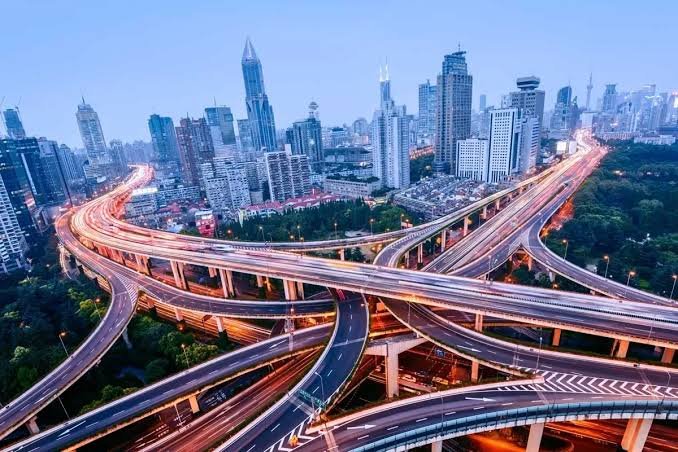
Transportation is a prime example. Intelligent traffic lights adapt in real time to congestion levels, public transit systems communicate with commuter apps, and parking management platforms guide drivers to available spaces, reducing unnecessary fuel consumption. Energy grids equipped with smart meters allow households and businesses to monitor usage and optimize consumption patterns.
Water management systems also benefit from sensor technology, detecting leaks before they escalate into costly damage. Waste management becomes more efficient through route optimization and automated collection alerts. The cumulative effect is a city that operates fluidly and responsively.
The integration of infrastructure under the axurbain model not only enhances efficiency but also reduces operational costs for municipalities. These savings can then be reinvested into community services, public spaces, and social programs.
Sustainability at the Core of Axurbain
Sustainability is not an afterthought within the axurbain framework; it is foundational. Urban centers account for a significant portion of global carbon emissions, making sustainable innovation essential. Axurbain initiatives focus on renewable energy adoption, green building standards, and low-emission transportation.
Solar panels integrated into building facades, wind turbines incorporated into urban landscapes, and district heating systems powered by renewable sources are all part of this sustainable vision. Urban agriculture projects, green roofs, and vertical gardens contribute to cleaner air and improved food security.
Public transportation systems designed under axurbain principles emphasize electrification and shared mobility. Bike-sharing networks and pedestrian-friendly zones encourage residents to choose eco-conscious travel options. These changes collectively reduce environmental impact while enhancing public health.
Beyond environmental sustainability, axurbain also promotes social sustainability. Affordable housing projects, accessible healthcare services, and equitable digital access ensure that technological progress benefits all citizens rather than creating new divides.
The Role of Data and Artificial Intelligence in Axurbain
Data lies at the heart of axurbain. Cities generate enormous amounts of information every day, from traffic patterns to energy usage and public safety metrics. Under traditional systems, much of this data remains underutilized. Axurbain transforms raw data into actionable insights.
Artificial intelligence algorithms analyze patterns and predict potential challenges before they arise. For example, predictive maintenance systems can anticipate infrastructure failures, reducing downtime and repair costs. Crime analytics tools can help law enforcement allocate resources more effectively without infringing on privacy rights.
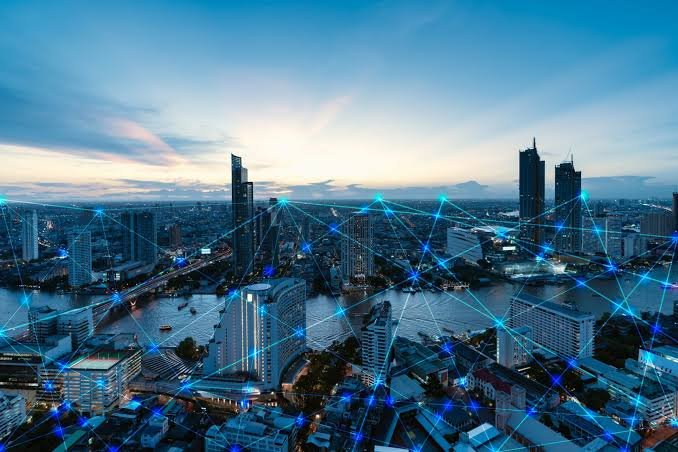
Urban planners use simulation software to model population growth and test policy scenarios. By analyzing data trends, city administrators can make evidence-based decisions that improve long-term outcomes.
However, data management under axurbain must prioritize transparency and cybersecurity. Protecting citizen information is crucial to maintaining public trust. Ethical governance structures are therefore integral to successful implementation.
Community Engagement Within Axurbain Frameworks
A city cannot truly thrive without active participation from its residents. Axurbain encourages community engagement through digital platforms that facilitate communication between citizens and local authorities. Mobile applications allow residents to report infrastructure issues, access municipal services, and provide feedback on development projects.
Town hall meetings are increasingly supplemented by online forums, enabling broader participation. Digital voting systems and interactive planning tools empower citizens to contribute ideas for neighborhood improvements.
Community engagement under axurbain extends beyond governance. Cultural initiatives, innovation hubs, and shared workspaces foster collaboration among entrepreneurs, artists, and technologists. By nurturing a sense of belonging, cities built on this model strengthen social cohesion.
Economic Growth and Innovation Through Axurbain
Axurbain environments often become magnets for investment and talent. Businesses are drawn to cities that offer reliable digital infrastructure, sustainable energy systems, and efficient transportation networks. Startups benefit from access to high-speed connectivity and collaborative ecosystems.
Innovation districts within axurbain cities promote research partnerships between universities, corporations, and public institutions. These collaborations accelerate technological breakthroughs and create new employment opportunities.
Furthermore, tourism can flourish in well-designed urban environments. Visitors appreciate clean streets, efficient transit, and vibrant public spaces. The economic ripple effect of axurbain development extends across multiple sectors, contributing to long-term prosperity.
Challenges in Implementing Axurbain
Despite its promise, implementing axurbain principles is not without challenges. Financial constraints can hinder large-scale infrastructure upgrades. Integrating legacy systems with modern technologies requires careful planning and significant investment.
Cybersecurity risks also pose concerns. As cities become more connected, vulnerabilities may increase if safeguards are not robust. Ensuring equitable access to digital services remains another critical issue. Without deliberate inclusion strategies, certain communities could be left behind.
Political coordination is essential for successful execution. Collaboration between government agencies, private companies, and community organizations must be transparent and aligned. Overcoming bureaucratic inertia can be a formidable task.
Nevertheless, these challenges are not insurmountable. With strategic planning and strong leadership, cities can navigate obstacles and gradually transition toward the axurbain model.
The Global Influence of Axurbain
The influence of axurbain extends beyond individual cities. International collaborations are emerging to share best practices and technological innovations. Urban networks facilitate knowledge exchange, allowing municipalities to learn from one another’s successes and setbacks.
Developing nations, in particular, stand to benefit from axurbain strategies. Rapid urbanization often strains infrastructure and public services. By adopting integrated planning approaches early, these regions can avoid many pitfalls associated with uncoordinated growth.
As climate change intensifies and global populations rise, the relevance of axurbain becomes even more pronounced. Resilient infrastructure, adaptive energy systems, and responsive governance will define the cities of tomorrow.
The Future Outlook of Axurbain
Looking ahead, axurbain is poised to evolve alongside emerging technologies. Advances in the Internet of Things, blockchain-based governance, autonomous transportation, and renewable energy storage will further enhance urban capabilities.
Smart buildings may soon communicate directly with city grids, optimizing energy consumption in real time. Autonomous public transport could reduce congestion and emissions simultaneously. Digital twins of entire cities may enable planners to simulate and refine development strategies before physical implementation.
The continued growth of axurbain will depend on maintaining a balance between innovation and humanity. Technological sophistication must never overshadow community well-being. The ultimate measure of success lies not in advanced systems alone but in happier, healthier citizens.
More From Info: Pollaste Explained: Origins, Cooking, Nutrition and Uses
Conclusion: Why Axurbain Represents the Next Chapter in Urban Transformation
Axurbain embodies a powerful vision for the future of cities. By integrating technology, sustainability, data intelligence, and community engagement into a cohesive framework, it offers a blueprint for resilient and inclusive urban development. As populations continue to expand and environmental pressures intensify, traditional planning approaches may no longer suffice.
The strength of axurbain lies in its holistic perspective. It recognizes that transportation, energy, housing, governance, and culture are interconnected components of a living ecosystem. When designed thoughtfully, these elements work together to create cities that are not only efficient but also vibrant and humane.
While implementation requires careful coordination and investment, the long-term benefits far outweigh the challenges. Improved quality of life, economic vitality, environmental sustainability, and social cohesion are all achievable outcomes under this innovative model. Axurbain is not merely a concept; it is a roadmap toward smarter, more compassionate urban futures.
Frequently Asked Questions About Axurbain
What is axurbain in simple terms?
Axurbain is a modern approach to city development that integrates smart technology, sustainable practices, and community-focused planning to create efficient and livable urban environments.
How does axurbain differ from traditional smart cities?
While smart cities focus heavily on technology, axurbain emphasizes a balanced integration of technology with sustainability, human-centered design, and inclusive governance.
Is axurbain only suitable for large metropolitan areas?
No, the principles behind axurbain can be applied to cities of various sizes. Mid-sized and emerging urban areas can adopt its framework to improve infrastructure and quality of life.
What are the biggest challenges in adopting axurbain?
Key challenges include funding infrastructure upgrades, ensuring cybersecurity, integrating legacy systems, and maintaining equitable access to digital services.
How does axurbain benefit everyday citizens?
Residents benefit through improved transportation, cleaner environments, accessible digital services, enhanced public safety, and greater opportunities for economic growth and community engagement.