
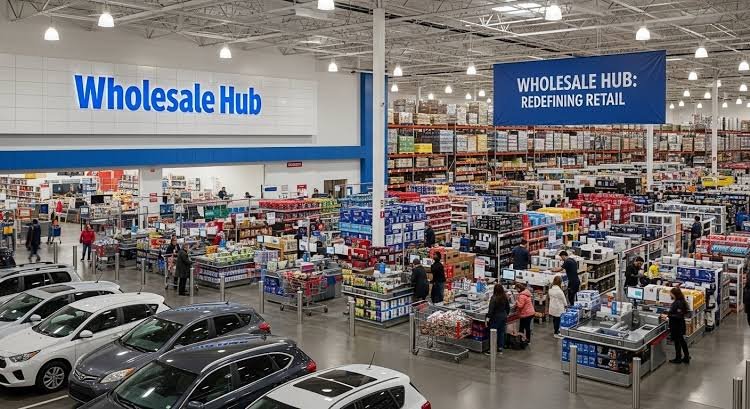
When a major new player enters the retail arena, headlines follow — and when a costco rival launches megastore, industry watchers, shoppers and suppliers all pay attention. This announcement marks more than the opening of a big box; it signals a potential shift in how consumers buy in bulk, how regional supply chains respond, and how membership models are contested. In this article we examine what the arrival of a major competitor means for consumers and competitors alike, exploring strategy, store experience, pricing implications, and the broader retail ecosystem. We also parse the likely short-term impacts and the longer-term consequences for the warehouse club market.
Why the News Matters: Costco Rival Launches Megastore and What It Means
The news that a costco rival launches megastore matters because the warehouse club model has proven remarkably resilient. For decades, retailers that combine scale, tight margins, and membership fees have attracted consumers looking for value on groceries, electronics, apparel and household goods. When a new competitor introduces a megastore format designed to rival Costco, it invites questions about membership pricing, product assortment, store design, and the customer experience. Will the newcomer undercut prices, offer superior services, or carve out niche categories where it can dominate? The answers determine whether shoppers gain another great choice or whether the market consolidates further around incumbents.
Strategic Positioning: How a Costco Rival Launches Megastore to Compete
When a costco rival launches megastore, strategy matters as much as square footage. New entrants typically make deliberate choices about where to prioritize investments: private-label development, fresh-food sourcing, logistics infrastructure, or a compelling loyalty program. A successful megastore launch will likely hinge on a mix of these elements. The newcomer might spotlight a proprietary brand that offers comparable quality to national labels at a lower price, or it could highlight exclusive partnerships with local producers to create a distinct fresh-food proposition. Another strategy is to integrate digital conveniences — curbside pickup, app-based inventory browsing, and seamless checkout — creating an omnichannel experience that appeals to both traditional bulk buyers and digitally native shoppers.
Store Experience: What Shoppers Can Expect When a Costco Rival Launches Megastore
When a costco rival launches megastore, shoppers are eager to evaluate the in-store experience. Warehouse clubs are famous for their no-frills layouts and pallet-based displays, which minimize clerical costs and emphasize low prices. A new megastore can preserve that efficient layout while introducing modern design touches: clearer signage, dedicated sampling zones, or streamlined checkout lanes. Consumer expectations now include faster entry and exit, wider aisles for cart maneuverability, and cleaner, better-organized sections for perishables. If the rival pairs low prices with an improved shopping environment, it stands a better chance of attracting repeat members who value both cost savings and convenience.
Pricing and Membership: The Economics When a Costco Rival Launches Megastore
Price is the battleground. If a costco rival launches megastore with aggressive pricing or a lower membership fee, it can quickly siphon price-sensitive consumers. But undercutting an established operator like Costco is costly; margins in bulk retail are thin. New rivals must balance promotional losses with long-term sustainability. One plausible approach is to introduce a tiered membership structure that offers basic access at a lower cost and premium benefits for higher fees. This allows the megastore to broaden its customer base while securing predictable revenue from premium members. Additionally, promotional offers such as waived initial fees, limited-time discounts on high-demand categories, or exclusive member services can catalyze initial sign-ups and build momentum.
Supplier Relations: How Procurement Changes When a Costco Rival Launches Megastore
A key advantage of large incumbents is negotiating leverage with suppliers. When a costco rival launches megastore, suppliers face a choice: deepen partnerships with the newcomer to diversify retail channels, or maintain allocations to longstanding partners. The entrant may offer attractive terms to secure shelf space — co-marketing agreements, larger guaranteed volumes, or faster payments. In some cases, the rival might prioritize local suppliers for perishables to create a perception of freshness and community support. Over time, supplier networks shift; manufacturers and producers that win early contracts with the newcomer can scale quickly, while those that resist may lose bargaining power.
Logistics and Distribution: The Engine That Runs a Megastore
Logistics determine the operational viability of any warehouse retailer. When a costco rival launches megastore, its distribution network will be scrutinized. Efficient centralized warehouses, a reliable cold chain for perishables, and sophisticated inventory management systems reduce waste and enable consistent availability. New players often invest heavily in fulfillment centers and last-mile capabilities to support both in-store stocking and online order fulfillment. Innovations such as automated picking, dynamic routing for deliveries, and advanced demand forecasting can shrink lead times and keep shelves full, which is crucial during the critical first months after launch, when consumer impressions are forming.
Community Impact: Local Markets After a Costco Rival Launches Megastore
Opening a megastore affects the surrounding community in tangible ways. When a costco rival launches megastore, traffic patterns change, nearby retailers may react, and local employment opportunities typically grow. Construction and store operations create jobs, while increased foot traffic can benefit adjacent businesses. However, smaller independent grocers and specialty retailers may feel competitive pressure, particularly if the megastore offers deep discounts on staples. Local governments sometimes weigh the economic benefits against concerns such as congestion, zoning compatibility, and the potential homogenization of retail options. The net community impact varies widely depending on store location, the responsiveness of small businesses, and broader economic conditions.
Technology and Innovation: The Edge When a Costco Rival Launches Megastore
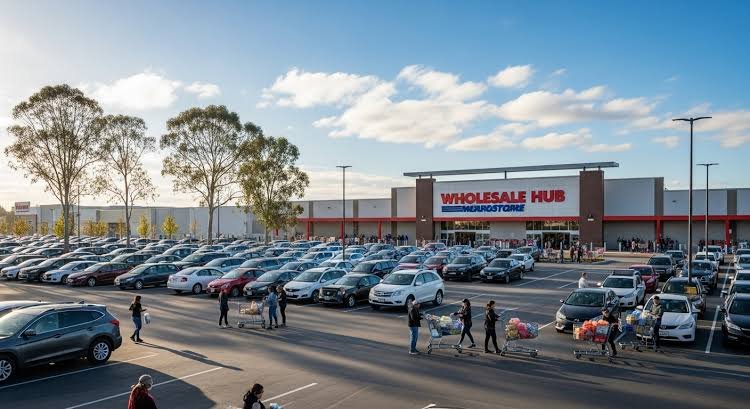
A new megastore competing with an established giant often uses technology to differentiate. When a costco rival launches megastore, expect investments in mobile apps that simplify shopping lists, digital coupons that personalize offers, and in-store beacons that guide shoppers to promoted items. Some rivals experiment with cashierless checkout lanes or scan-and-go functionality to reduce queue times. Data analytics plays a central role: by analyzing purchase patterns, the megastore can tailor promotions, optimize inventory, and refine assortments to match regional preferences. Technology also enables loyalty enhancements, with personalized discounts for repeat buyers that can foster retention and increase average basket size.
Consumer Choice: What Shoppers Gain When a Costco Rival Launches Megastore
Competition typically benefits consumers. When a costco rival launches megastore, shoppers can expect more choices in brands, potentially lower prices, and innovations in the membership model. For families that rely on bulk purchasing for groceries and household goods, having a viable alternative can translate into meaningful savings. For shoppers who value specialty items or locally sourced products, a new megastore may introduce curated selections that widen options. Moreover, the presence of another national or regional warehouse club adds pressure on incumbents to improve service, refresh private-label offerings, and refine loyalty perks — an overall win for consumers.
Environmental Considerations: Packaging, Waste and Sourcing after a Megastore Launch
Large retailers wield significant influence over packaging, sourcing practices, and waste reduction. When a costco rival launches megastore, it faces choices that can shape environmental outcomes. Committing to sustainable sourcing for seafood, reducing single-use plastics, or designing packaging that optimizes pallet density are ways to reduce environmental footprints. Customers increasingly scrutinize sustainability practices, and new entrants that incorporate green initiatives into their value proposition may attract eco-conscious members. Yet, the bulk model naturally encourages larger purchases and potentially more waste if consumers do not use products before expiration. Education and package innovation can mitigate these risks.
Risks and Challenges: Pitfalls When a Costco Rival Launches Megastore
Launching a megastore is capital-intensive and risky. When a costco rival launches megastore, challenges include achieving membership density to cover operating costs, managing inventory to avoid costly overstock or stockouts, and differentiating without eroding margins. Misjudging local demand or overestimating the appeal of a new private label can lead to underperformance. Additionally, regulatory hurdles, labor relations, and supply chain disruptions can amplify risks. Successful entrants tend to pilot formats, adjust assortments regionally, and remain nimble in their pricing and promotions.
Long-Term Outlook: Market Dynamics After a Megastore Enters
Over the long term, the market response to a costco rival launches megastore will depend on adaptability. If the newcomer sustains competitive pricing, builds a loyal membership base, and leverages technology to operate efficiently, it can grow into a meaningful player. Incumbents will respond through targeted promotions, private-label innovations, and service enhancements. Consumers may benefit from better prices and improved experiences as competition intensifies. Alternatively, if the rival fails to hit scale quickly, incumbents may consolidate power, signaling that effective differentiation is essential to lasting success.
Read More:https://jernsenger.co.uk/whatsontech/
Conclusion
The headline “costco rival launches megastore” captures more than a retail opening; it reflects a strategic bet on consumer behavior, supply networks, and the economics of scale. A successful launch requires precise execution across pricing, supplier relations, logistics, technology, and community engagement. For consumers, the arrival of a well-executed megastore promises choice, potential savings, and innovation in the shopping experience. For the industry, it creates pressure to evolve and adapt. Ultimately, whether the newcomer reshapes the warehouse club landscape depends on its ability to deliver consistent value to members while maintaining operational discipline. The competitive jolt could be the catalyst for better deals, smarter services, and a more dynamic retail environment.
Frequently Asked Questions
What does the phrase “costco rival launches megastore” imply about the retailer’s strategy?
The phrase suggests that a retailer aims to emulate or compete directly with Costco’s warehouse club model, typically focusing on membership-driven sales, bulk product assortments, and low-margin, high-volume operations. Launching a megastore implies a significant investment in physical retail space, supply chain capacity, and a strategy to attract and retain members through pricing, product assortment, and added services.
How will opening a new megastore affect local small businesses?
A new megastore can increase local traffic and create jobs, but it also intensifies competition for small grocers and specialty retailers, especially on price-sensitive staple items. The overall effect varies by market: some small businesses thrive by focusing on specialty products and personalized service, while others may struggle if they cannot differentiate or match the buying power of the larger store.
Can a new megastore realistically compete with established warehouse clubs on price?
Competing on price is possible but challenging. Established warehouse clubs benefit from massive purchasing power and long-standing supplier agreements. A new entrant can compete by negotiating niche supplier deals, promoting private-label goods, optimizing logistics, and offering introductory membership incentives. Sustainable competition usually requires scale, efficient operations, and a clear value proposition beyond price alone.
What membership models might a new rival use to attract shoppers?
A new rival may adopt tiered memberships, offering basic access at a lower cost and premium tiers with added benefits like expedited shipping, exclusive discounts, or services such as pharmacy benefits. Initial promotions like free trial memberships or waived startup fees are common to accelerate sign-ups and demonstrate value to potential members.
How important is technology to the success of a megastore competing with Costco?
Technology is increasingly critical. Efficient inventory systems, mobile apps for shopping and coupons, digital checkout options, and data analytics for personalized offers can significantly enhance the customer experience and operational efficiency. Technology also supports omnichannel strategies, enabling in-store purchases, online order fulfillment, and improved supply chain visibility — all vital to staying competitive in modern retail.