Introduction to Zuschneidfelle
Zuschneidfelle are an essential yet often overlooked material used across a wide range of industries and everyday applications. The term zuschneidfelle refers to felts or felt sheets that are specifically designed to be cut to size, shape, or specification according to individual needs. Whether used in manufacturing, home improvement, crafts, or technical environments, zuschneidfelle offer flexibility, durability, and adaptability that few materials can match.
What makes zuschneidfelle especially valuable is their ability to be customized without compromising performance. From cushioning and insulation to polishing and protection, these cuttable felt materials serve both functional and aesthetic purposes. This article explores zuschneidfelle in detail, covering their materials, properties, applications, advantages, and how to choose the right option for your project.
What Are Zuschneidfelle?
At their core, zuschneidfelle are felt materials supplied in sheets, rolls, or panels that can be easily trimmed or cut into specific dimensions. Unlike pre-shaped felt products, zuschneidfelle are designed for customization, making them ideal when standard sizes do not meet precise requirements.
Felt itself is created by matting, condensing, and pressing fibers together. Zuschneidfelle may be made from natural fibers, synthetic fibers, or blends of both. Their structure gives them unique properties such as shock absorption, resistance to wear, and excellent thermal and acoustic insulation.
Types of Zuschneidfelle by Material
Natural Fiber Zuschneidfelle
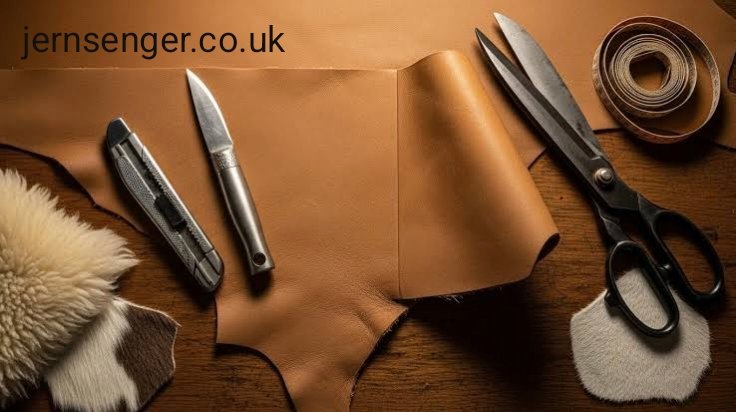
Natural zuschneidfelle are commonly produced from wool or animal hair fibers. These materials are valued for their elasticity, breathability, and eco-friendly nature. Wool-based zuschneidfelle are often used in polishing, sealing, and vibration-dampening applications due to their resilience and ability to retain shape under pressure.
Natural fiber options are particularly suitable when sustainability and biodegradability are priorities. They also perform well in environments where moderate heat resistance is required.
Synthetic Zuschneidfelle
Synthetic zuschneidfelle are made from fibers such as polyester, polypropylene, or acrylic. These materials are engineered to deliver consistent quality, moisture resistance, and durability. Synthetic options are often chosen for industrial settings where exposure to chemicals, oils, or high humidity is common.
Another advantage of synthetic zuschneidfelle is their uniform density, which makes them easier to cut precisely and repeat consistently across large-scale projects.
Blended Zuschneidfelle
Blended zuschneidfelle combine natural and synthetic fibers to balance performance and cost. These hybrids aim to offer the best of both worlds, delivering durability, flexibility, and improved resistance while retaining some of the natural qualities of wool-based felt.
Key Properties of Zuschneidfelle
Understanding the properties of zuschneidfelle is crucial when selecting the right type for a specific use. Some of the most important characteristics include:
Density and Thickness
Zuschneidfelle are available in a wide range of densities and thicknesses. Higher-density felt provides better load-bearing capacity and durability, while lower-density felt is more flexible and easier to shape. Thickness selection depends on whether the application requires cushioning, insulation, or structural support.
Cut Resistance and Workability
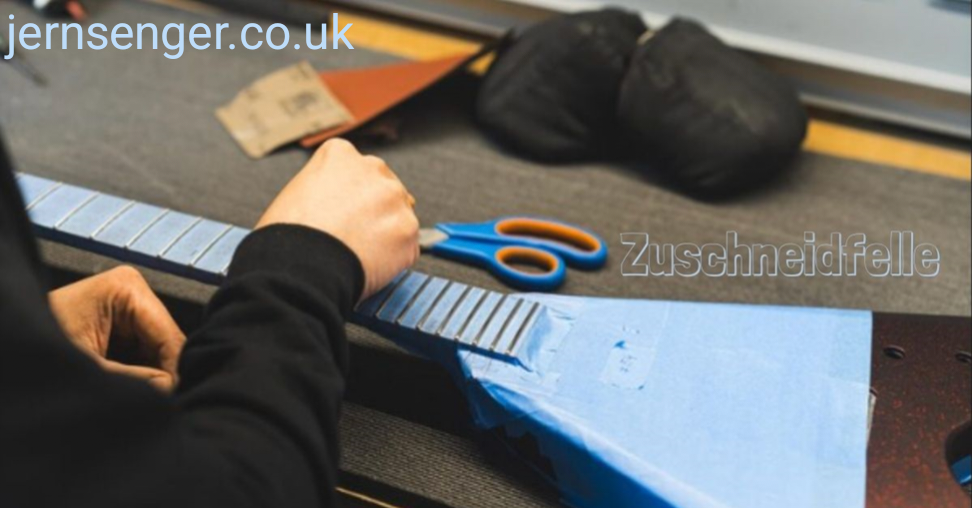
One of the defining features of zuschneidfelle is their excellent workability. They can be cut using scissors, knives, or precision cutting tools without fraying or unraveling. This makes zuschneidfelle ideal for both manual crafting and automated industrial cutting processes.
Thermal and Acoustic Insulation
Zuschneidfelle naturally trap air within their fiber structure, giving them strong insulating properties. They are commonly used to reduce noise, dampen vibrations, and provide thermal insulation in machinery, vehicles, and buildings.
Durability and Wear Resistance
Depending on the material, zuschneidfelle can withstand repeated compression, friction, and mechanical stress. This durability makes them suitable for applications where long-term performance is essential.
Will You Check This Article:https://jernsenger.co.uk/bunkralbum/
Common Applications of Zuschneidfelle
Industrial and Mechanical Uses
In industrial environments, zuschneidfelle are widely used for sealing, padding, and vibration control. They are often placed between metal components to reduce noise, prevent wear, and absorb shocks. Custom-cut felt parts are also used in machinery maintenance and equipment assembly.
Furniture and Interior Design
Zuschneidfelle play an important role in furniture manufacturing and interior design. They are used as protective pads under furniture legs, as sound-dampening layers in cabinets, and as decorative elements in modern design projects. Their ability to be cut precisely ensures a clean, professional finish.
Crafting and Creative Projects
Artists and hobbyists appreciate zuschneidfelle for their versatility and ease of use. Felt sheets can be transformed into decorative items, accessories, toys, and art installations. The wide range of colors and textures available makes zuschneidfelle a favorite material for creative expression.
Construction and Home Improvement
In construction, zuschneidfelle are often used as insulating layers, expansion joint fillers, and protective barriers. Their adaptability allows builders to tailor them to irregular spaces or unique structural requirements.
Automotive and Technical Fields
The automotive sector uses zuschneidfelle for noise reduction, thermal insulation, and component protection. Custom-cut felt parts help improve comfort and longevity by reducing vibration and preventing abrasion between parts.
Advantages of Using Zuschneidfelle
Customization and Flexibility
The most significant advantage of zuschneidfelle is their adaptability. Users can create exactly the shape and size needed without relying on pre-manufactured components. This flexibility reduces waste and improves efficiency.
Cost-Effectiveness
By purchasing felt in cuttable form, businesses and individuals can minimize excess material and tailor usage precisely. Zuschneidfelle often reduce overall costs by eliminating the need for custom-manufactured parts.
Easy Handling and Installation
Zuschneidfelle are lightweight and easy to handle. They can be installed using adhesives, mechanical fasteners, or simple placement, depending on the application.
Wide Availability
Because zuschneidfelle are used across many sectors, they are available in numerous grades, colors, and formats. This broad availability ensures that suitable options exist for almost any requirement.
How to Choose the Right Zuschneidfelle
Define the Application
Before selecting zuschneidfelle, it is essential to identify the primary purpose: insulation, cushioning, sealing, or decoration. Each application demands different material properties.
Consider Environmental Conditions
Temperature, moisture, chemical exposure, and mechanical stress all influence the performance of zuschneidfelle. Choosing a material suited to the environment ensures longevity and reliability.
Select Appropriate Thickness and Density
Thicker, denser zuschneidfelle are better for load-bearing and vibration control, while thinner options work well for lining and decorative purposes.
Evaluate Cutting and Installation Methods
Understanding how the felt will be cut and installed helps determine the best format and composition. Some zuschneidfelle are optimized for precision cutting, while others are better suited for manual shaping.
Sustainability and Zuschneidfelle
Sustainability is becoming increasingly important in material selection. Natural zuschneidfelle made from renewable fibers offer an environmentally friendly option. Even synthetic variants can contribute to sustainability when chosen for their long lifespan and recyclability.
By enabling precise cutting and reducing waste, zuschneidfelle support more responsible material usage across industries.
Maintenance and Care of Zuschneidfelle
Maintaining zuschneidfelle depends largely on their application. In industrial settings, regular inspection ensures that felt components continue to perform effectively. In decorative or household uses, simple cleaning and occasional replacement are usually sufficient.
Proper care extends the lifespan of zuschneidfelle and preserves their functional properties.
Conclusion
Zuschneidfelle represent a remarkably adaptable material solution for industrial, commercial, and creative needs. Their ability to be custom-cut, combined with excellent insulating, cushioning, and protective properties, makes them indispensable across countless applications. By understanding the different types, materials, and performance characteristics, users can select zuschneidfelle that deliver long-term value, efficiency, and reliability. Whether in a factory, a home, or an art studio, zuschneidfelle continue to prove their importance as a flexible and dependable material.
Frequently Asked Questions (FAQs)
1. What are zuschneidfelle mainly used for?
Zuschneidfelle are mainly used for insulation, cushioning, vibration damping, sealing, and decorative purposes in industrial, household, and creative applications.
2. Can zuschneidfelle be cut at home without special tools?
Yes, most zuschneidfelle can be cut using standard tools such as scissors or utility knives, especially for household and craft projects.
3. Are zuschneidfelle environmentally friendly?
Natural zuschneidfelle made from wool or other animal fibers are biodegradable and eco-friendly. Synthetic options can also be sustainable due to their durability and long service life.
4. How do I choose the right thickness of zuschneidfelle?
The right thickness depends on the application. Thicker felt is better for cushioning and insulation, while thinner felt works well for lining and decorative uses.
5. Do zuschneidfelle wear out quickly?
When properly selected and maintained, zuschneidfelle are highly durable and can last for many years, even in demanding environments.