
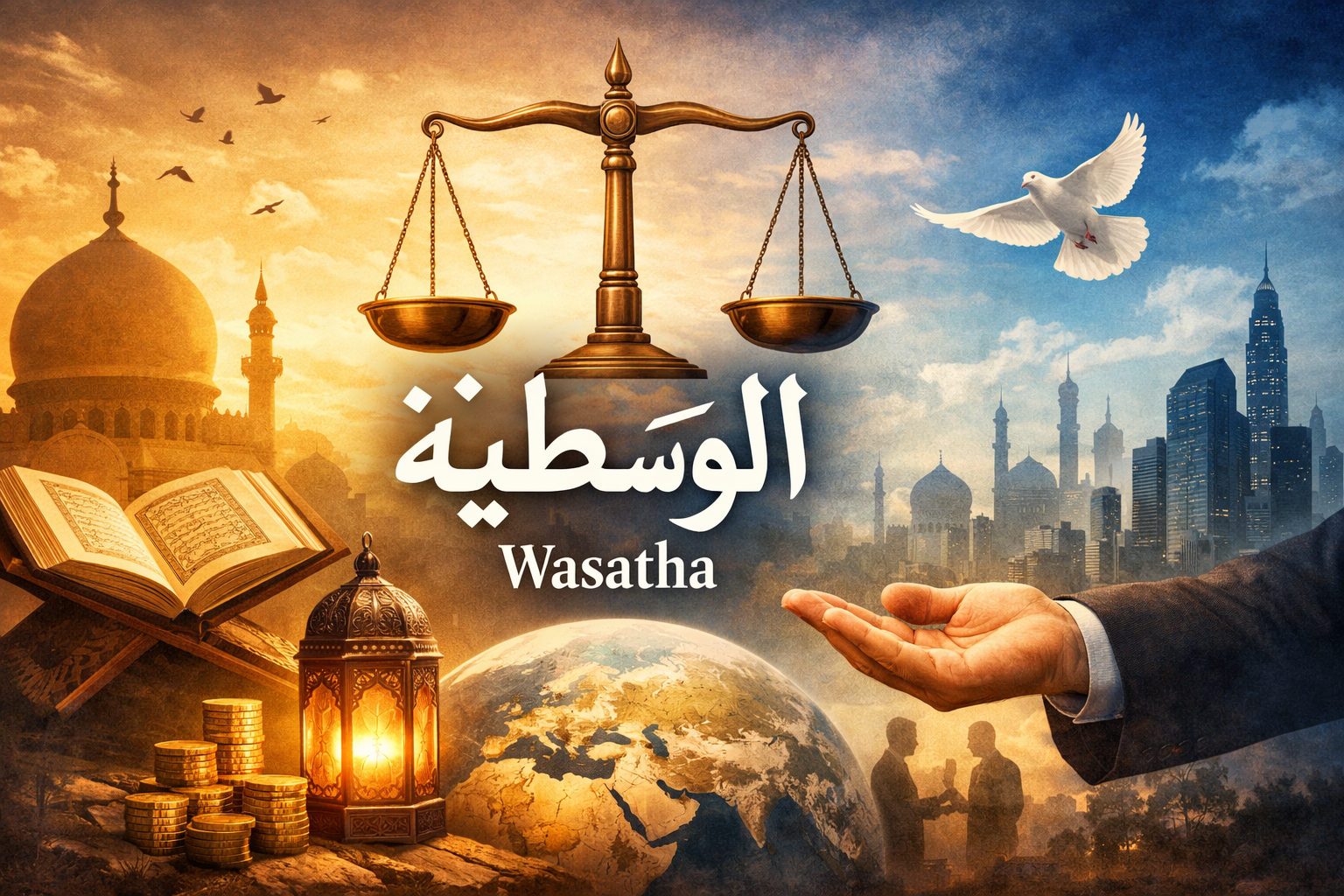
In a world often marked by extremes, the concept of wasatha offers a timeless framework for balance, justice, and moderation. The term “wasatha” originates from Arabic and carries deep ethical, spiritual, and social significance in Islamic thought. It represents a middle path that avoids excess and deficiency, encouraging individuals and societies to live with fairness, responsibility, and wisdom. Understanding wasatha is essential for appreciating how Islam promotes equilibrium in personal behavior, community life, and global interactions.
The principle of wasatha is frequently associated with the idea of moderation in Islam. It reflects a balanced approach to faith, lifestyle, morality, and decision-making. Rather than promoting rigid extremes or careless leniency, wasatha teaches believers to maintain harmony between spiritual devotion and worldly responsibilities. This balanced outlook is considered a defining feature of Islamic teachings and plays a crucial role in shaping ethical conduct and social justice.
The Meaning and Linguistic Roots of Wasatha
The word wasatha is derived from the Arabic root “w-s-t,” which means middle, center, or balance. Linguistically, it refers to something positioned between two extremes. In Islamic scholarship, the term carries a broader meaning that includes fairness, excellence, and moderation.
Classical Islamic scholars interpreted wasatha not simply as being in the middle but as representing the most just and ideal position between opposing extremes. This understanding highlights the ethical dimension of the concept. A balanced approach is considered superior because it avoids harmful excess while also preventing negligence or neglect.
The Quran refers to Muslims as a “middle nation,” a phrase that many scholars connect with the idea of wasatha. This description suggests that believers are encouraged to embody fairness and moderation in all aspects of life, serving as examples of justice and moral balance.
The Concept of Wasatha in Islamic Teachings
Islamic teachings consistently emphasize the importance of balance in faith and practice. Wasatha is deeply embedded in religious guidance related to worship, social interactions, and personal conduct.
One important aspect of wasatha is maintaining equilibrium between spiritual dedication and worldly responsibilities. Islam encourages devotion through prayer, charity, and remembrance of God, but it also recognizes the importance of work, family life, and social obligations. The balanced integration of these aspects reflects the practical wisdom of wasatha.
Another dimension of this concept is ethical moderation. Islam discourages both excessive strictness and careless permissiveness. Instead, believers are guided to adopt a thoughtful and balanced approach to moral issues. This allows individuals to remain committed to principles while still showing compassion and understanding toward others.
Through these teachings, wasatha becomes a guiding philosophy that shapes the moral identity of Muslim communities.
Wasatha as a Principle of Social Harmony
Beyond personal spirituality, wasatha plays a significant role in promoting harmony within society. Communities that embrace balance and moderation are more likely to develop stable relationships, fair institutions, and peaceful coexistence.
When applied to social relations, wasatha encourages individuals to avoid hostility, prejudice, and excessive reactions. Balanced thinking allows people to consider different perspectives and resolve conflicts through dialogue and fairness.
The concept also influences leadership and governance. Islamic ethical traditions emphasize justice, consultation, and responsibility in leadership roles. Leaders who adopt the principle of wasatha strive to maintain fairness and avoid both authoritarian control and weak governance.
In diverse societies, moderation fosters tolerance and understanding among people from different backgrounds. By encouraging fairness and mutual respect, wasatha contributes to a culture of cooperation and shared responsibility.
The Role of Wasatha in Personal Development
Personal growth is another area where wasatha holds great importance. A balanced life promotes mental clarity, emotional stability, and spiritual fulfillment.
When individuals apply the principle of moderation to their daily routines, they are more likely to maintain healthy lifestyles. Overworking, neglecting family, or ignoring personal well-being can lead to imbalance. Wasatha reminds individuals to distribute their time and energy wisely among work, worship, rest, and relationships.
Emotional balance is also an essential component of this concept. Extreme reactions such as anger, pride, or despair can damage relationships and personal well-being. Practicing wasatha helps individuals develop patience, humility, and self-control.
Through self-awareness and thoughtful choices, the principle of moderation becomes a practical tool for improving character and achieving inner peace.
Wasatha and Ethical Decision-Making
Ethical decision-making requires careful consideration of consequences, responsibilities, and moral principles. Wasatha offers a framework for approaching difficult decisions with fairness and wisdom.
In many situations, people face competing values or conflicting interests. The concept of balance encourages individuals to weigh different factors thoughtfully rather than acting impulsively or rigidly. This approach helps create solutions that respect both justice and compassion.
For example, when dealing with social issues, a balanced perspective allows policymakers and community leaders to address problems without resorting to extreme measures. By seeking moderation, they can promote policies that protect both individual rights and collective well-being.
In everyday life, ethical choices guided by wasatha often lead to more harmonious outcomes because they avoid unnecessary conflict and promote understanding.
The Historical Influence of Wasatha in Islamic Civilization
Throughout history, the principle of wasatha has influenced the intellectual and cultural development of Muslim societies. Scholars, philosophers, and jurists often emphasized balance when interpreting religious teachings and shaping social institutions.
During classical periods of Islamic civilization, this balanced approach contributed to advances in education, science, and philosophy. Scholars sought harmony between reason and faith, encouraging intellectual exploration while maintaining spiritual values.
This historical commitment to moderation helped create environments where knowledge and cultural exchange flourished. The spirit of wasatha encouraged dialogue among scholars from different regions and traditions, contributing to a rich intellectual heritage.
The emphasis on balance also shaped artistic expression, architecture, and community life, reflecting a worldview that valued harmony and proportion.
Misunderstandings and Misinterpretations of Wasatha
Despite its importance, the concept of wasatha is sometimes misunderstood. Some people mistakenly interpret moderation as weakness or compromise of principles. In reality, moderation requires discipline, wisdom, and strong moral commitment.
Another misunderstanding occurs when individuals confuse moderation with indifference. Wasatha does not mean ignoring injustice or avoiding difficult decisions. Instead, it encourages addressing challenges in a thoughtful and fair manner.
Extremism, whether ideological or behavioral, often emerges when people abandon the principle of balance. By contrast, the practice of moderation strengthens communities and protects them from harmful divisions.
Clarifying these misconceptions is essential for preserving the true meaning of wasatha in contemporary discussions.
More From Info: Fkstrcghtc Explained: Meaning, Uses and Digital Impact
Wasatha in the Modern World
The relevance of wasatha extends far beyond historical or religious contexts. In today’s rapidly changing world, the need for balanced thinking is more important than ever.
Modern societies face numerous challenges, including political polarization, cultural conflicts, and economic inequalities. The philosophy of moderation offers valuable guidance for addressing these issues.
By promoting dialogue, empathy, and fairness, wasatha encourages people to move beyond rigid positions and seek cooperative solutions. It also helps individuals navigate the pressures of modern life by maintaining equilibrium between professional ambitions and personal well-being.
In educational settings, teaching the value of moderation can cultivate critical thinking and ethical awareness among young people. When students learn to appreciate balanced perspectives, they are better equipped to contribute positively to society.
Similarly, media and public discourse can benefit from embracing this principle. Responsible communication that avoids sensationalism and exaggeration reflects the spirit of wasatha.
The Spiritual Dimension of Wasatha
While the concept has social and ethical implications, its spiritual dimension remains central. Wasatha reminds believers that faith itself should reflect balance and sincerity.
Islamic spirituality emphasizes humility, gratitude, and mindfulness. Excessive ritualism without understanding can become mechanical, while neglecting spiritual practices may lead to moral drift. The balanced path encourages meaningful devotion combined with thoughtful reflection.
Many spiritual scholars have emphasized that moderation protects the heart from arrogance and despair. By maintaining equilibrium between hope and caution, individuals remain spiritually grounded.
This spiritual balance nurtures compassion toward others and fosters a sense of responsibility toward the broader human community.
The Continuing Relevance of Wasatha
As societies continue to evolve, the principle of wasatha remains an enduring guide for ethical living. Its emphasis on fairness, moderation, and balance resonates across cultures and historical periods.
In an era characterized by rapid information exchange and diverse viewpoints, balanced thinking helps individuals evaluate ideas critically without becoming overwhelmed by extremes. It encourages respectful dialogue and constructive engagement with complex issues.
Communities that uphold moderation are better equipped to maintain stability and cooperation. By prioritizing justice and compassion, they can address challenges in ways that strengthen social cohesion.
The enduring relevance of wasatha demonstrates that moderation is not merely a philosophical ideal but a practical approach to building healthier societies.
Conclusion
The concept of wasatha represents one of the most profound principles within Islamic thought, emphasizing balance, fairness, and moderation in every aspect of life. Rooted in linguistic, spiritual, and ethical traditions, it provides guidance for individuals seeking harmony between faith, personal responsibilities, and social interactions.
Throughout history, the principle of wasatha has shaped intellectual development, community relationships, and moral decision-making. It encourages people to avoid destructive extremes while remaining firmly committed to justice and integrity. By promoting thoughtful reflection and compassionate action, moderation becomes a powerful force for personal growth and social harmony.
In the modern world, where polarization and imbalance often dominate public discourse, the wisdom of wasatha offers a path toward understanding and cooperation. Its timeless message reminds humanity that true strength lies not in extremes but in the ability to maintain equilibrium with wisdom and responsibility.
Ultimately, embracing wasatha allows individuals and communities to cultivate a balanced life that honors both spiritual values and human dignity. Through moderation, fairness, and thoughtful engagement, this enduring principle continues to inspire a more harmonious and just world.