
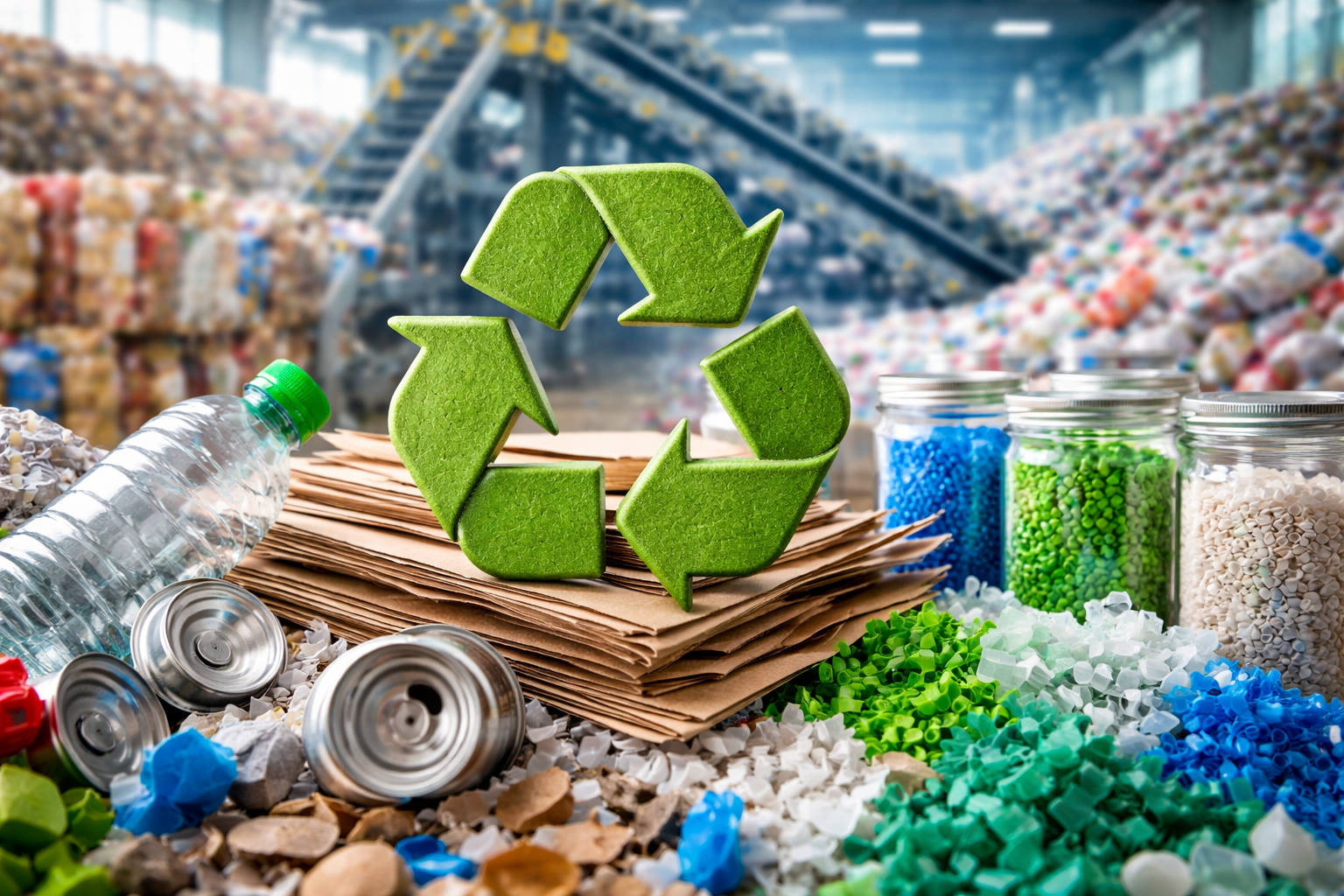
In recent years, sustainability has become a central focus in global industries, environmental policies, and consumer behavior. One concept that has gained significant attention in this transformation is recyclatanteil. The term refers to the proportion of recycled materials used in the production of new goods. As the world faces mounting environmental challenges such as resource depletion, climate change, and waste accumulation, increasing the recyclatanteil in manufacturing processes has emerged as a practical and effective strategy for building a circular economy.
The growing interest in recyclatanteil reflects a shift from traditional linear production models—where resources are extracted, used, and discarded—toward systems that prioritize reuse, recycling, and responsible resource management. By integrating recycled materials into production cycles, companies can reduce environmental impact, conserve natural resources, and meet evolving regulatory requirements. This article explores the concept of recyclatanteil in detail, explaining its meaning, importance, measurement methods, environmental benefits, industrial applications, and its role in shaping a sustainable future.
What Is Recyclatanteil?
The term recyclatanteil originates from German and translates roughly to “recycled content share” or “percentage of recycled material.” It describes the amount of recycled material used in a product relative to the total material composition. For example, if a plastic bottle contains 30% recycled plastic and 70% virgin plastic, its recyclatanteil is 30 percent.
Understanding recyclatanteil is essential for evaluating how sustainable a product truly is. While recycling itself is beneficial, incorporating recycled materials into new products ensures that waste materials remain within the production cycle rather than ending up in landfills or incinerators.
How Recyclatanteil Is Calculated
Recyclatanteil is typically calculated by dividing the weight of recycled material in a product by the total weight of all materials used in that product. The result is expressed as a percentage. For instance, if a product weighs 1 kilogram and contains 400 grams of recycled material, its recyclatanteil would be 40%.
Different industries may apply slightly different standards when calculating recycled content, especially when distinguishing between pre-consumer recycled material and post-consumer recycled material. Pre-consumer material refers to waste generated during manufacturing processes, while post-consumer material originates from products that have been used and discarded by consumers.
The Environmental Significance of Recyclatanteil
The concept of recyclatanteil plays a vital role in reducing environmental harm. Natural resources such as minerals, petroleum, timber, and metals are finite, and extracting them often involves intensive energy use and environmental disruption. Increasing the share of recycled materials helps reduce reliance on these primary resources.
One of the most immediate environmental benefits of a higher recyclatanteil is the reduction of waste. Every year, millions of tons of plastic, paper, glass, and metal end up in landfills or pollute natural ecosystems. When manufacturers incorporate recycled materials into new products, they help divert waste from disposal sites and extend the lifecycle of existing materials.
Energy savings are another key advantage. Producing goods from recycled materials generally requires less energy compared to processing raw resources. For example, recycling aluminum uses significantly less energy than producing aluminum from bauxite ore. Similarly, recycled paper manufacturing consumes less water and energy compared to producing paper from freshly harvested wood.
The reduction of greenhouse gas emissions is closely tied to these energy savings. By decreasing energy consumption in production processes, industries with a higher recyclatanteil contribute to climate change mitigation. As governments and international organizations work to reduce global carbon emissions, recycled content standards are becoming increasingly important.
Recyclatanteil in the Circular Economy
A circular economy aims to keep materials in use for as long as possible while minimizing waste and environmental damage. In this system, products are designed for durability, reuse, repair, and recycling. Recyclatanteil serves as a measurable indicator of how effectively this concept is being implemented in real-world production.
When companies prioritize recycled materials, they create demand for recycling infrastructure and encourage the development of efficient waste collection systems. This demand helps close the loop between consumption and production. Instead of discarding materials after use, they are processed and reintegrated into new manufacturing cycles.
The circular economy model also encourages innovation in product design. Manufacturers must consider how easily materials can be recovered and reused when products reach the end of their lifecycle. Products designed with recycling in mind often contain fewer mixed materials and use components that can be separated more easily.
Increasing recyclatanteil is therefore not just about adding recycled material into existing products. It requires rethinking entire production systems, supply chains, and consumption patterns.
Recyclatanteil in Different Industries
Many industries have begun integrating recycled materials into their production processes, though the level of recyclatanteil varies widely depending on the type of product and available technology.
Recyclatanteil in the Plastics Industry
The plastics industry is one of the sectors where recycled content has become especially important. Plastic waste has become a global environmental issue, prompting governments and organizations to introduce regulations and targets for recycled plastic use.
Manufacturers now produce packaging, bottles, containers, and even textiles from recycled plastic materials. Increasing the recyclatanteil in plastic products helps reduce dependence on fossil fuels, which are the primary raw material for most plastics.
However, challenges remain. Plastic recycling can be complicated due to contamination, mixed materials, and degradation during the recycling process. Despite these challenges, technological improvements continue to increase the feasibility of using recycled plastics in high-quality products.
Recyclatanteil in the Paper and Packaging Industry
The paper industry has long been a leader in using recycled materials. Many paper products already contain a significant recyclatanteil, particularly in packaging materials such as cardboard and newsprint.
Recycling paper reduces the need for fresh timber and helps conserve forests, which are vital for biodiversity and climate regulation. It also requires less energy and water compared to producing paper from virgin pulp.
Nevertheless, paper fibers degrade each time they are recycled, which means new fibers must eventually be introduced to maintain product quality. Even so, increasing recyclatanteil in paper production remains a highly effective sustainability measure.
Recyclatanteil in the Construction Sector
The construction industry generates a large amount of waste, including concrete, steel, wood, and glass. Integrating recycled materials into building materials is an emerging trend aimed at reducing the environmental footprint of construction projects.
Recycled steel, crushed concrete, and reclaimed wood are increasingly used in modern construction. These materials maintain structural strength while reducing the need for new resource extraction. Increasing recyclatanteil in construction materials also supports sustainable urban development.
More From Info: Miuzo Guide: Meaning, Uses and Digital Growth Explained
Regulatory Frameworks and Recyclatanteil Targets
Governments around the world are introducing regulations that encourage or require manufacturers to increase recycled content in their products. These policies are designed to reduce waste generation and promote sustainable resource use.
Some countries have established mandatory minimum recyclatanteil requirements for specific products, particularly plastic packaging. Others provide financial incentives, tax benefits, or certifications for companies that achieve higher levels of recycled content.
International organizations and environmental standards bodies also play a role in promoting transparency and accountability. Certification systems allow companies to verify and communicate the recycled content of their products to consumers and regulators.
These regulatory frameworks are expected to become more stringent in the coming years as environmental concerns continue to grow.
Challenges in Increasing Recyclatanteil
Despite the clear benefits, increasing recyclatanteil is not always straightforward. Several technical, economic, and logistical challenges must be addressed to achieve higher levels of recycled content.
One major challenge is the quality of recycled materials. Some materials degrade during recycling processes, which can limit their suitability for certain applications. Manufacturers must balance sustainability goals with product performance requirements.
Another challenge is supply consistency. Recycling systems must collect, sort, and process large volumes of waste materials to ensure a reliable supply of recycled resources. In many regions, recycling infrastructure is still underdeveloped, making it difficult for manufacturers to obtain sufficient quantities of high-quality recycled materials.
Cost considerations also play a role. While recycled materials can sometimes be cheaper than virgin materials, this is not always the case. Market fluctuations, processing costs, and transportation expenses can influence the economic viability of recycled content.
Addressing these challenges requires collaboration between governments, industries, and consumers to strengthen recycling systems and support innovation.
Consumer Awareness and Recyclatanteil
Consumers are increasingly interested in sustainable products, and many now pay attention to recycled content when making purchasing decisions. Transparency about recyclatanteil helps build trust between brands and environmentally conscious buyers.
Product labels and environmental certifications often indicate the percentage of recycled materials used in a product. This information allows consumers to support companies that prioritize sustainability.
Public awareness campaigns and educational initiatives also play an important role in promoting recycling and responsible consumption. When consumers understand the environmental benefits of recycled materials, they are more likely to participate in recycling programs and support products with higher recyclatanteil.
This shift in consumer behavior creates additional incentives for companies to integrate recycled materials into their products.
Future Trends in Recyclatanteil
As sustainability continues to shape global industries, the role of recyclatanteil is expected to expand significantly. Advances in recycling technologies are making it possible to recover materials more efficiently and maintain higher quality during the recycling process.
Chemical recycling, for example, is emerging as a promising solution for materials that are difficult to recycle through traditional mechanical methods. This technology breaks down materials into their chemical components, allowing them to be reused in new production cycles.
Digital technologies are also improving traceability within recycling systems. Blockchain and advanced tracking systems can verify the origin and composition of recycled materials, helping companies accurately measure and report recyclatanteil.
In addition, product design is evolving to prioritize recyclability and material recovery. Designers increasingly consider how products will be dismantled, sorted, and recycled after use, which ultimately supports higher recycled content levels.
These innovations suggest that recycled materials will play an increasingly important role in sustainable manufacturing.
Conclusion: The Growing Importance of Recyclatanteil
The concept of recyclatanteil represents far more than a simple percentage of recycled materials in a product. It reflects a broader commitment to sustainable resource management, environmental responsibility, and circular economic practices. By increasing the share of recycled materials in manufacturing, industries can significantly reduce waste, conserve natural resources, and lower greenhouse gas emissions.
Although challenges remain, technological advancements, regulatory initiatives, and growing consumer awareness are all driving progress in this field. Companies that prioritize recyclatanteil are not only contributing to environmental protection but also positioning themselves for long-term success in an increasingly sustainability-focused marketplace.
Ultimately, the widespread adoption of recycled materials is essential for building a more resilient and environmentally responsible global economy. As industries continue to innovate and governments strengthen environmental policies, recyclatanteil will remain a key indicator of sustainable production and a powerful tool in the global effort to protect our planet.