Introduction: Understanding the Context of Password Makesilver2121
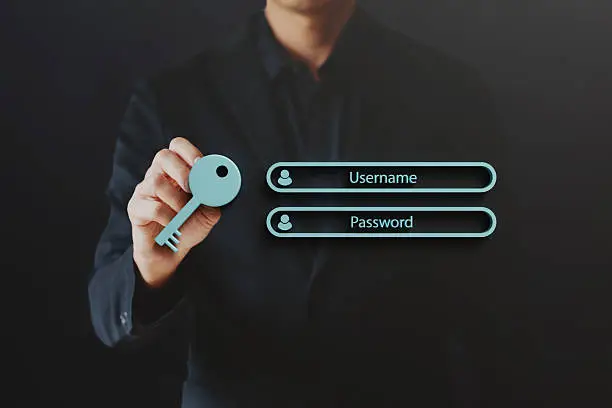
In today’s digital-first world, passwords are the frontline defense between personal data and cyber threats. The keyword password makesilver2121 may look like a random string of words and numbers, but it represents a much broader conversation about how people create passwords, why certain patterns are chosen, and how these choices affect online security. This article explores the concept behind password makesilver2121—not as an actual credential—but as a case study to understand password structure, human behavior, and cybersecurity best practices.
By examining how passwords like this are formed and perceived, we can better understand the strengths, weaknesses, and lessons they offer. Whether you are an everyday internet user, a business owner, or simply curious about digital safety, this guide will help you think more critically about password creation and protection.
What Is Password Makesilver2121?
At a surface level, password makesilver2121 appears to combine a recognizable word, a descriptive term, and a numeric pattern. This type of structure is extremely common among users who want something memorable yet seemingly complex.
From a cybersecurity perspective, passwords like this often follow three familiar components:
- A base word that is easy to remember
- An additional descriptive or personal term
- A number sequence, often repeating or date-related
The structure behind password makesilver2121 highlights how humans tend to balance convenience with perceived security. While this balance feels practical, it can introduce hidden vulnerabilities.
Why People Create Passwords Like Password Makesilver2121
Memorability Over Complexity
One of the biggest reasons users lean toward passwords similar to password makesilver2121 is memorability. Complex strings of random characters may be secure, but they are difficult to remember without a password manager.
Humans naturally gravitate toward meaningful words and familiar numbers. This makes login experiences faster and less frustrating, especially when managing multiple accounts.
Psychological Comfort and Patterns
Passwords often reflect subconscious habits. Many users reuse patterns across platforms—changing only a word or number. Password makesilver2121 fits into this behavioral pattern, illustrating how predictability can creep into password design.
The Illusion of Strength
To many users, adding numbers or combining multiple words feels secure. While this does increase complexity compared to a single word, modern attack methods can still identify predictable combinations quickly.
The Security Implications of Password Makesilver2121
Pattern Recognition and Brute-Force Risks
Attackers rarely guess passwords manually. Automated tools analyze common structures, word combinations, and number placements. Passwords similar to password makesilver2121 may fall into datasets used for credential-stuffing or brute-force attacks.
While the presence of letters and numbers is better than simple passwords, predictability significantly reduces effective strength.
Dictionary-Based Attacks
Dictionary attacks use lists of commonly used words and phrases. When recognizable words are part of a password, the attack surface increases. Even modified words or combined phrases can be reverse-engineered quickly.
Reuse Across Platforms
Another risk associated with passwords like password makesilver2121 is reuse. If one platform is compromised, attackers often test the same password on multiple services, escalating the damage.
How Password Length and Structure Matter
Length Is More Important Than You Think
One of the strongest defenses against password cracking is length. Longer passwords dramatically increase the time required to break them. A password with 14–16 characters that includes randomness is significantly safer than a shorter patterned one.
Avoid Predictable Numbering
Using sequences like “21,” “121,” or repeated digits is extremely common. Unfortunately, attackers know this. Replacing predictable numbers with random characters or symbols greatly improves resistance.
Passphrases vs. Traditional Passwords
Instead of using a format like password makesilver2121, security experts recommend passphrases—long, random strings of unrelated words. These are easier to remember and much harder to crack.
The Role of Password Managers in Modern Security
Why Password Managers Matter
Password managers generate, store, and autofill unique passwords for each account. This removes the need to create memorable patterns and eliminates reuse.
With a password manager, you never need to rely on structures similar to password makesilver2121 again.
Encryption and Zero-Knowledge Design
Most reputable password managers use end-to-end encryption and zero-knowledge architecture. This means even the service provider cannot see your stored credentials.
Reducing Human Error
By automating password creation, managers reduce human bias toward predictable patterns, which is one of the biggest security flaws in password behavior.
Multi-Factor Authentication: A Critical Layer Beyond Passwords
What Is Multi-Factor Authentication (MFA)?
MFA requires users to provide two or more verification factors, such as:
- Something you know (password)
- Something you have (phone or security key)
- Something you are (biometrics)
Even if a password like password makesilver2121 is compromised, MFA can stop unauthorized access.
Why MFA Is Essential Today
With phishing attacks and data breaches increasing, passwords alone are no longer sufficient. MFA acts as a powerful safety net that significantly lowers risk.
Common Mistakes to Avoid When Creating Passwords
Using Personal Information
Names, birthdays, hobbies, or favorite items are easy for attackers to guess—especially with social media exposure.
Reusing Similar Variations
Changing only one word or number across accounts is dangerous. If one password falls, the rest often follow.
Storing Passwords Insecurely
Writing passwords on paper or saving them in plain text files creates unnecessary risk. Secure storage is just as important as creation.
Best Practices for Creating Strong Passwords
To avoid the pitfalls associated with passwords like password makesilver2121, follow these proven practices:
- Use at least 14–16 characters
- Combine unrelated words, symbols, and numbers
- Avoid patterns and predictable substitutions
- Never reuse passwords across accounts
- Enable multi-factor authentication
- Use a reputable password manager
By following these steps, users can dramatically reduce their exposure to cyber threats.
The Future of Password Security
Passwordless Authentication
Biometrics, security keys, and magic links are becoming more common. These methods reduce reliance on traditional passwords altogether.
AI and Adaptive Security
Artificial intelligence is now used both by attackers and defenders. This makes strong, unique authentication methods more important than ever.
User Education as the Final Defense
Technology alone cannot solve security problems. Understanding why certain password habits are risky empowers users to make better choices.
Conclusion: What Password Makesilver2121 Teaches Us About Digital Security
The concept of password makesilver2121 serves as a powerful example of how human habits influence digital security. While such passwords may feel safe and convenient, they often rely on predictable patterns that modern cyberattacks can exploit.
True security comes from moving beyond memorability-based thinking and embracing longer, random, and unique credentials supported by password managers and multi-factor authentication. By understanding the lessons behind passwords like this, users can take meaningful steps toward safer digital lives.
In an era where data is more valuable than ever, strong password practices are not optional—they are essential.
Read More:https://jernsenger.co.uk/broccoflix/
Frequently Asked Questions (FAQs)
1. Is password makesilver2121 a real or recommended password?
No. It is used here only as an example to discuss password structure and security habits. Real passwords should always be unique and private.
2. Why are patterned passwords considered risky?
Patterns are easier for automated tools to guess. Attackers rely on common structures to crack passwords efficiently.
3. How often should passwords be changed?
Passwords should be changed if there is a breach or suspected compromise. With strong unique passwords and MFA, frequent changes are less critical.
4. Are password managers safe to use?
Yes, reputable password managers use strong encryption and are far safer than reusing or manually storing passwords.
5. What is the safest alternative to traditional passwords?
Passphrases combined with multi-factor authentication or passwordless methods like security keys offer the highest level of protection.