
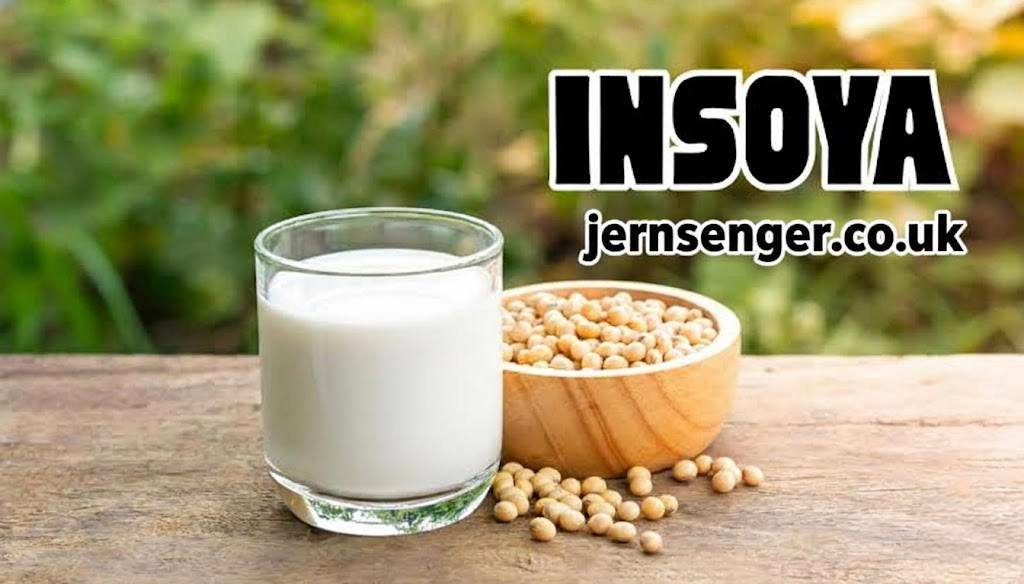
Insoya has steadily earned a place in modern kitchens as a reliable, protein-rich food option that fits into a wide variety of diets. From health-conscious families to athletes and vegetarians, this soy-based product is valued for its nutrition, affordability, and culinary flexibility. In this in-depth article, we will explore what insoya is, how it is made, its nutritional profile, health benefits, cooking methods, and why it continues to grow in popularity.
This article is written in a natural, human tone and is fully original, offering a complete understanding of insoya while keeping keyword usage balanced and natural.
What Is Insoya?
Insoya is a soy-based food product made primarily from defatted soy flour. It is widely known for its high protein content and meat-like texture when cooked. Often consumed as chunks, granules, or nuggets, insoya is commonly used as a vegetarian alternative to meat in many cuisines.
The product is especially popular in regions where plant-based protein is essential for meeting daily nutritional needs. Produced by companies such as Insoya, it is designed to provide quality nutrition at an affordable price.
How Insoya Is Made
The production of insoya begins with soybeans, which are cleaned, dehulled, and processed to extract oil. The remaining defatted soy flour is then processed using heat and pressure through a method known as extrusion cooking. This process gives insoya its characteristic fibrous texture.
During extrusion, the soy flour is shaped into chunks or granules and dried for packaging. The result is a shelf-stable product that expands and softens when soaked or cooked in water. This manufacturing method preserves most of the nutritional value while making the product easy to store and prepare.
Nutritional Value of Insoya

One of the main reasons insoya is so widely consumed is its impressive nutritional profile. It offers a dense source of essential nutrients, especially for people who rely on plant-based diets.
Key Nutrients Found in Insoya
- High-quality protein: Contains all essential amino acids
- Dietary fiber: Supports digestion and gut health
- Iron: Helps prevent fatigue and supports blood health
- Calcium: Contributes to strong bones and teeth
- Low fat: Especially low in saturated fat
- No cholesterol: Naturally cholesterol-free
Because of these properties, insoya is often recommended for growing children, adults with active lifestyles, and individuals aiming to improve their overall diet quality.
Health Benefits of Insoya
1. Supports Muscle Growth and Repair
Insoya is rich in complete protein, making it ideal for muscle maintenance and recovery. Athletes and fitness enthusiasts often include it in meals to support strength and endurance without relying on animal protein.
2. Aids in Weight Management
Due to its high protein and fiber content, insoya helps promote fullness and reduce unnecessary snacking. Including it in meals can support weight control by keeping calorie intake balanced.
3. Promotes Heart Health
Low in saturated fat and free from cholesterol, insoya can contribute to better heart health. Replacing fatty meats with soy-based options may help manage cholesterol levels over time.
4. Helps Maintain Bone Strength
The calcium and plant compounds found in insoya support bone density. This is particularly helpful for individuals who avoid dairy products.
5. Suitable for Diabetic-Friendly Diets
With a low glycemic impact and high protein content, insoya can help maintain stable blood sugar levels when consumed as part of a balanced meal.
Insoya in Vegetarian and Vegan Diets
Insoya plays a crucial role in vegetarian and vegan meal planning. Since plant-based diets sometimes lack sufficient protein, soy products help bridge that nutritional gap. Insoya is versatile enough to be used in curries, stir-fries, wraps, and even snacks.
Its neutral flavor allows it to absorb spices and seasonings easily, making it adaptable to various cuisines. From Indian gravies to continental dishes, insoya can be transformed into flavorful meals without much effort.
More From Info:https://jernsenger.co.uk/serlig/
How to Cook Insoya Properly
Cooking insoya correctly is key to achieving the best taste and texture. While it may seem bland when dry, proper preparation enhances its flavor significantly.
Basic Preparation Steps
- Boil water with a pinch of salt
- Add insoya chunks or granules
- Cook for 5–7 minutes until soft
- Drain and rinse with cold water
- Squeeze gently to remove excess moisture
Once prepared, insoya can be sautéed, simmered, or baked depending on the recipe. Adding spices, herbs, and sauces helps bring out its best qualities.
Common Culinary Uses of Insoya
Insoya Curries
One of the most popular uses is in spiced gravies. The chunks absorb the flavors of onions, tomatoes, and spices, creating a satisfying dish often served with rice or flatbreads.
Insoya Snacks
Granulated forms are frequently used in cutlets, kebabs, and patties. These snacks are high in protein and suitable for tea-time or post-workout meals.
Insoya Rice and Pasta Dishes
Insoya granules can be mixed with rice, pulao, or pasta sauces to increase protein content without altering taste significantly.
Insoya for Children and Families
For families looking to improve daily nutrition, insoya offers an economical and practical option. Children benefit from its protein and minerals, while parents appreciate its long shelf life and easy preparation.
Introducing insoya gradually and pairing it with familiar flavors helps children accept it more readily. When cooked well, it blends seamlessly into everyday meals.
Environmental Benefits of Insoya
Beyond health, insoya also has environmental advantages. Soy-based protein generally requires fewer natural resources compared to animal farming. Lower water usage and reduced greenhouse gas emissions make it a more sustainable protein choice.
Choosing products like insoya supports eco-friendly eating habits while meeting nutritional needs.
Potential Concerns and Moderation
While insoya is highly nutritious, moderation is important. Some individuals may have soy allergies or sensitivities. Additionally, consuming a wide variety of protein sources ensures balanced nutrition.
Including insoya alongside lentils, grains, vegetables, and nuts helps maintain dietary diversity.
Why Insoya Remains Popular
The continued popularity of insoya is driven by several factors:
- Affordable pricing
- High nutritional value
- Long shelf life
- Easy preparation
- Compatibility with diverse cuisines
As awareness of plant-based nutrition grows, insoya continues to be a dependable choice for millions of households.
Conclusion: The Lasting Value of Insoya
Insoya stands out as a powerful example of how simple ingredients can deliver exceptional nutritional benefits. Its high protein content, versatility, and affordability make it suitable for people of all ages and dietary preferences. Whether used as a meat alternative, a protein booster, or a staple ingredient, insoya supports healthier eating without compromising on taste or convenience.
By incorporating insoya into balanced meals and preparing it thoughtfully, individuals can enjoy both its health advantages and culinary potential. As food habits evolve toward sustainability and wellness, insoya remains a smart, future-ready choice.
Frequently Asked Questions (FAQs)
1. What is insoya made from?
Insoya is made from defatted soy flour derived from soybeans after oil extraction.
2. Is insoya suitable for daily consumption?
Yes, insoya can be consumed regularly as part of a balanced diet, provided there is no soy allergy.
3. Does insoya taste like meat?
Insoya has a neutral flavor on its own but develops a meat-like texture and taste when cooked with spices.
4. Can insoya help with weight loss?
Its high protein and fiber content can help promote fullness, which may support weight management.
5. Is insoya good for vegetarians and vegans?
Absolutely. Insoya is a valuable plant-based protein source and fits well into vegetarian and vegan diets.