

Introduction to Lucipara
Lucipara is a name that carries an unusual sense of mystery. For most people, it is unfamiliar—yet for sailors, researchers, and seasoned explorers, Lucipara represents one of the most remote and untouched island environments in Southeast Asia. Located deep within the Banda Sea, Lucipara refers to a small group of coral atolls that rise from immense ocean depths, far from busy shipping lanes and modern infrastructure.
What makes Lucipara especially fascinating is not just its physical isolation, but the way it quietly connects multiple worlds: marine biodiversity, historical navigation routes, scientific study, and modern adventure travel. Unlike popular tropical destinations shaped by tourism, Lucipara remains largely unchanged, offering insight into how island ecosystems function when human influence is minimal.
This article explores Lucipara in depth—its geography, natural environment, cultural relevance, ecological value, and why it continues to draw attention despite being almost invisible on the global map.
Lucipara and Its Geographic Identity
Where Lucipara Is Located
Lucipara is situated in eastern Indonesia, within the vast Banda Sea that separates the Maluku Islands from other parts of the archipelago. Administratively, it belongs to the Maluku region, an area historically known as the “Spice Islands.” Unlike the larger volcanic islands nearby, Lucipara consists primarily of low-lying coral formations rather than towering peaks.
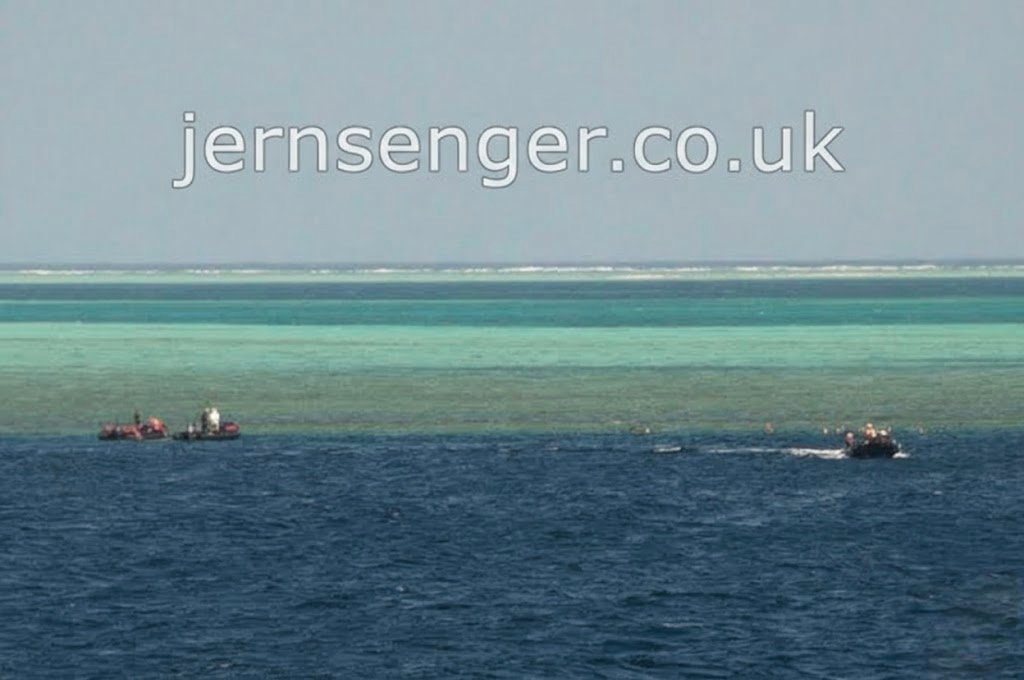
The island group includes several tiny atolls and reefs that barely rise above sea level. Beneath them, however, lie underwater mountains that plunge thousands of meters into the ocean floor. This dramatic contrast between shallow coral platforms and deep surrounding waters is one of the defining features of Lucipara.
Why Lucipara Is So Isolated
Distance, weather, and ocean conditions all contribute to Lucipara’s isolation. The Banda Sea is known for seasonal monsoons, strong currents, and unpredictable swells. As a result, access to Lucipara is limited to short weather windows, usually navigated only by experienced crews aboard well-equipped vessels.
There are no airports, harbors, or permanent settlements on Lucipara. This isolation has protected the islands from large-scale development, preserving their natural state.
Lucipara’s Natural Environment
Marine Ecosystems Around Lucipara
Lucipara is surrounded by some of the deepest and clearest waters in Indonesia. The steep underwater drop-offs create ideal conditions for coral growth and attract a wide range of marine species. Coral reefs here are often described as healthy and structurally complex, with minimal signs of bleaching or damage.
Fish diversity around Lucipara is high, ranging from colorful reef fish to large pelagic species that pass through the deep channels nearby. For marine scientists, this makes Lucipara a valuable reference site for understanding reef systems with limited human disturbance.
Turtle Nesting and Wildlife Importance
One of the most frequently noted ecological features of Lucipara is its role as a seasonal turtle nesting area. The quiet beaches and lack of permanent human presence provide ideal conditions for turtles to come ashore and lay eggs. This has elevated Lucipara’s importance in discussions about marine conservation and protected areas.
In addition to turtles, seabirds often use the islands as resting and nesting grounds. On land, vegetation is sparse but resilient, adapted to salty air, limited freshwater, and strong sunlight.
Lucipara in History and Navigation
Early Maritime Awareness of Lucipara
Although Lucipara has never supported large populations, it has been known to sailors for centuries. Historical navigation routes through the Banda Sea passed near the islands, and their reefs were both landmarks and hazards for early ships. In older maps and journals, Lucipara sometimes appears under alternative spellings, reflecting the way knowledge of the region spread through oral accounts and handwritten charts.
Lucipara and Regional Traditions
Communities from nearby islands are believed to have visited Lucipara seasonally, mainly for fishing or collecting coconuts. These visits were temporary and left little lasting impact on the land. Unlike many islands in the region, Lucipara was never transformed by plantations, towns, or colonial infrastructure.
Scientific and Symbolic Meanings of Lucipara
Lucipara as a Scientific Reference
Beyond geography, the word “lucipara” appears in biological science, most notably as part of the species name Euplexia lucipara, a moth studied in genetics and ecology. While this species is not directly connected to the islands, the shared name highlights how Lucipara has entered scientific vocabulary as a symbol of natural processes and biological curiosity.
This overlap between place name and species name adds an unexpected intellectual dimension to Lucipara, linking it to research, classification, and the study of life itself.
Symbolism of Light and Isolation
Linguistically, “lucipara” is often interpreted as having roots related to light. Symbolically, this fits well with the islands’ reputation: small points of land illuminated by sunlight, surrounded by vast, dark ocean depths. For writers and explorers, Lucipara often represents discovery, clarity, and the quiet persistence of nature.
More From Info:https://jernsenger.co.uk/ultimate-function-nyt/
Lucipara and Modern Exploration
Adventure Travel and Diving
Lucipara has become a destination of interest for niche adventure travelers, particularly divers and sailors seeking untouched environments. Diving around Lucipara is considered advanced due to currents and depth, but the reward is access to reefs that feel almost prehistoric in their abundance and structure.
Liveaboard expeditions sometimes include Lucipara as part of longer Banda Sea routes, emphasizing exploration rather than luxury. Visitors typically describe the experience as raw, immersive, and humbling.
Challenges of Visiting Lucipara
Despite its appeal, Lucipara is not a casual travel destination. There are no services, emergency facilities, or supplies on the islands. All visits must be fully self-sufficient and environmentally responsible. These challenges help limit visitor numbers, which in turn supports conservation.
Lucipara and Environmental Responsibility
Why Conservation Matters
Because Lucipara remains largely untouched, it serves as a baseline for understanding healthy reef systems. Protecting such areas is essential for long-term marine research and biodiversity preservation. Damage to Lucipara would not only affect local ecosystems but also reduce opportunities to study natural marine resilience.
Sustainable Future for Lucipara
Discussions about Lucipara’s future often focus on careful protection rather than development. Marine protected status, restricted access, and scientific monitoring are commonly suggested approaches. The goal is not to turn Lucipara into a tourist hub, but to ensure it remains a living laboratory and refuge for wildlife.
Why Lucipara Still Matters
In a world where many remote places are rapidly changing, Lucipara stands out as a reminder of what isolation can preserve. Its importance is not measured in population size or economic output, but in ecological integrity, scientific value, and symbolic meaning.
Lucipara teaches us that even the smallest and most distant places can play a role in global understanding—whether through marine biodiversity, climate research, or the simple act of reminding humanity how the planet once looked before widespread development.
Conclusion: The Enduring Significance of Lucipara
Lucipara is more than a name on a map. It is a rare example of an island environment that remains close to its natural state, shaped primarily by ocean, wind, and time. From its coral atolls and turtle beaches to its place in science and exploration, Lucipara represents the quiet strength of untouched nature.
As interest in remote destinations grows, Lucipara challenges us to rethink how exploration should work in the modern era—not as conquest or commercialization, but as respect, observation, and preservation. In doing so, Lucipara continues to shine quietly, offering lessons far beyond its shores.
Frequently Asked Questions About Lucipara
1. What is Lucipara best known for?
Lucipara is best known for its remote coral atolls, healthy marine ecosystems, and seasonal sea turtle nesting areas.
2. Is Lucipara inhabited?
Lucipara has no permanent population. It may be visited occasionally by researchers, sailors, or nearby communities, but it has no settlements.
3. Can tourists visit Lucipara?
Yes, but only as part of specialized expeditions or liveaboard trips. There is no independent or casual access.
4. Why is Lucipara important for conservation?
Its minimal human impact makes Lucipara valuable as a reference site for marine biodiversity and reef health.
5. Does Lucipara have scientific relevance beyond geography?
Yes. The name appears in biological research, and the islands themselves are important for ecological and environmental studies.