Jernsenger have long been admired for their strength, timeless appearance, and versatility in interior design. On the jernsenger blog, we focus entirely on understanding, explaining, and celebrating jernsenger as both a functional sleeping solution and a design statement. Jernsenger are not just beds made of iron; jernsenger represent durability, craftsmanship, and a bridge between traditional and modern lifestyles.
From classic vintage interiors to contemporary industrial homes, jernsenger continue to hold a strong position in the world of furniture. This detailed guide on jernsenger explores their meaning, origins, benefits, styles, care, and why they remain relevant today. Throughout this article, jernsenger are discussed in depth to help readers fully understand their value and long-term appeal.
What Is Jernsenger and Why Jernsenger Matter
Jernsenger refer to beds constructed primarily from iron or iron-based metal materials. The defining feature of jernsenger is their solid frame, which provides long-lasting support and structural stability. Unlike wooden beds that may warp or weaken over time, jernsenger are designed to endure years of use without compromising comfort.
Jernsenger matter because they combine practicality with aesthetic flexibility. Whether placed in a minimalist bedroom or a decorative vintage setting, jernsenger adapt easily to different environments. The popularity of jernsenger comes from their ability to balance visual lightness with physical strength, making them suitable for a wide range of users and lifestyles.
In many households, jernsenger are chosen not only for sleeping comfort but also for their visual impact. A well-designed jernsenger frame often becomes the focal point of a bedroom, adding character and elegance without overwhelming the space.
The History and Evolution of Jernsenger
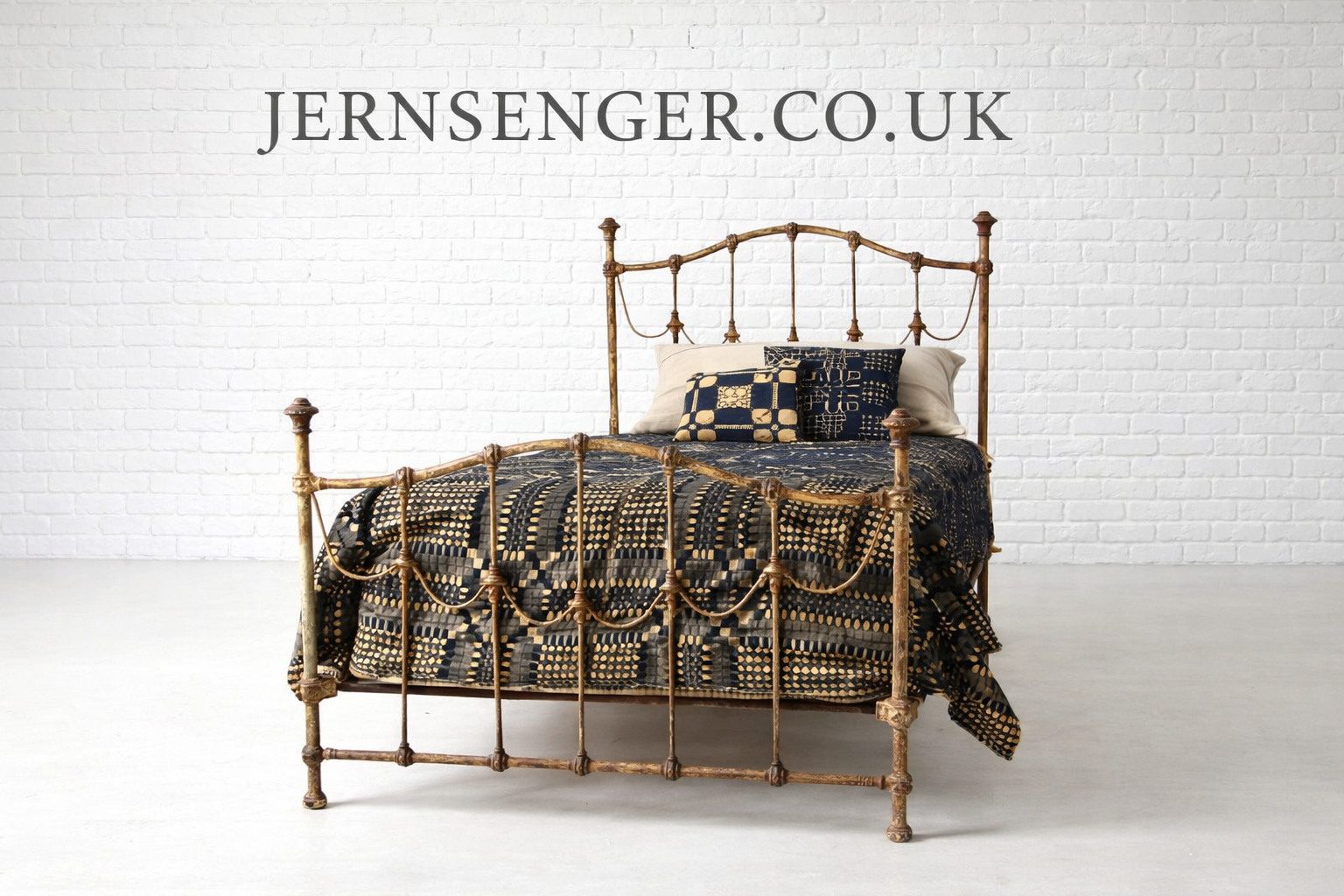
The history of jernsenger goes back centuries, when ironworking techniques advanced enough to allow furniture production beyond tools and weapons. Early jernsenger were often handcrafted, featuring decorative ironwork and intricate detailing. These early designs reflected craftsmanship and social status, as jernsenger were considered premium furniture.
Over time, jernsenger evolved from ornate, heavy designs to more refined and functional forms. In the industrial era, jernsenger became more widely available, valued for hygiene, durability, and resistance to pests. Hospitals, homes, and guesthouses adopted jernsenger for their reliability and ease of maintenance.
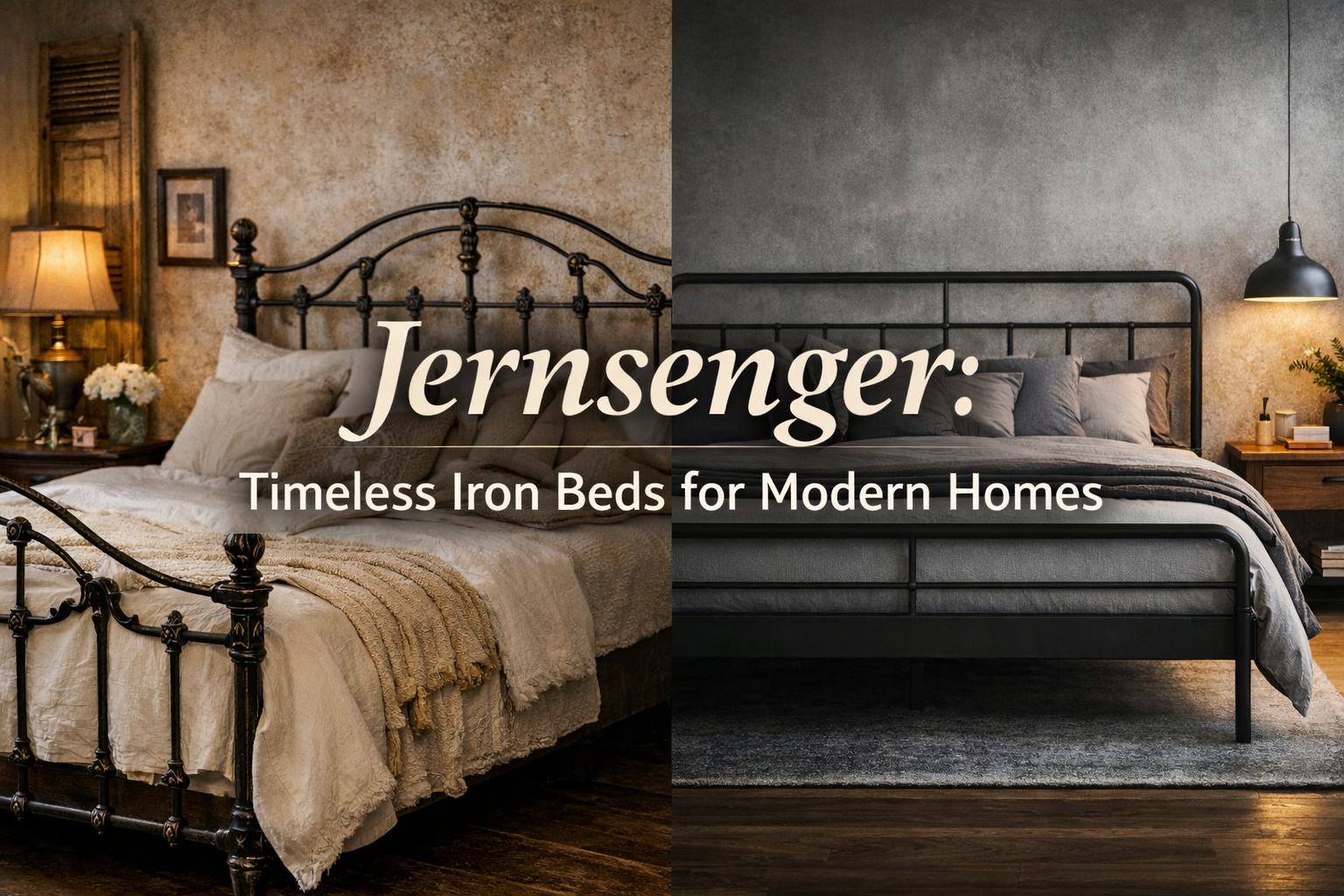
Today, modern jernsenger blend traditional strength with contemporary design principles. Clean lines, matte finishes, and minimalist structures have made jernsenger a popular choice for modern homes, while antique-inspired designs still appeal to those who value heritage and classic charm.
Materials and Construction of Jernsenger
Jernsenger are typically made from iron or steel alloys designed to support weight while maintaining shape and stability. The construction of jernsenger focuses on reinforced joints, balanced weight distribution, and secure support for mattresses and bedding.
One of the main advantages of jernsenger is their resistance to environmental factors. Unlike wood, jernsenger are less affected by humidity, temperature changes, or daily wear. Quality jernsenger are often coated with protective finishes that prevent rust and enhance durability.
The construction process of jernsenger also allows for creative flexibility. Frames can be shaped, curved, or straight, allowing jernsenger to match various design preferences. This versatility is one reason jernsenger continue to be relevant across different design trends.
Design Styles and Aesthetic Appeal of Jernsenger
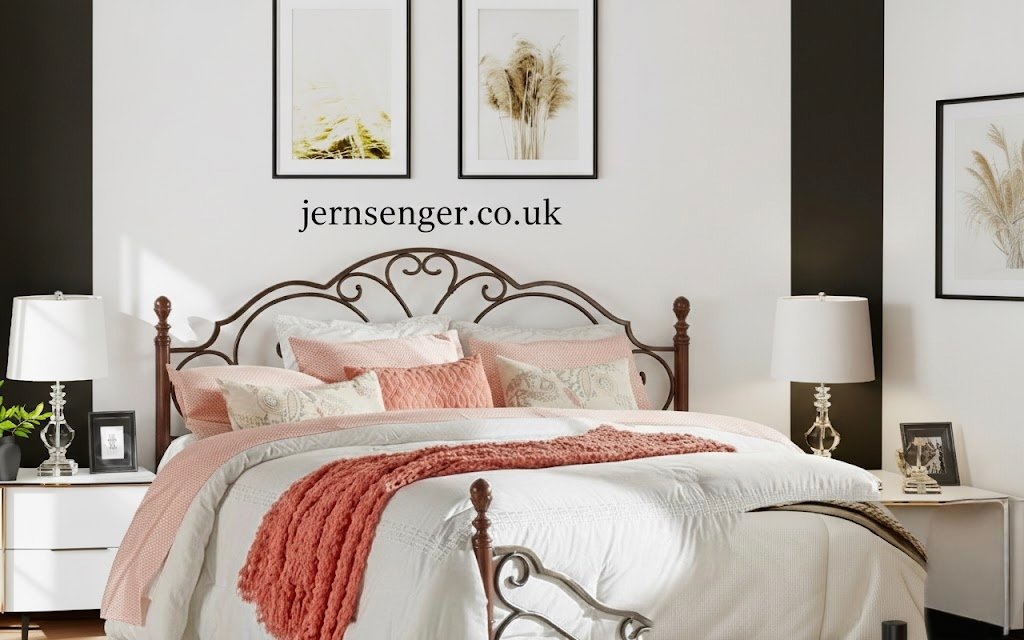
Jernsenger are available in a wide range of design styles, making them suitable for almost any interior theme. Traditional jernsenger often feature curved headboards, decorative patterns, and classic finishes. These designs work well in vintage or rustic bedrooms.
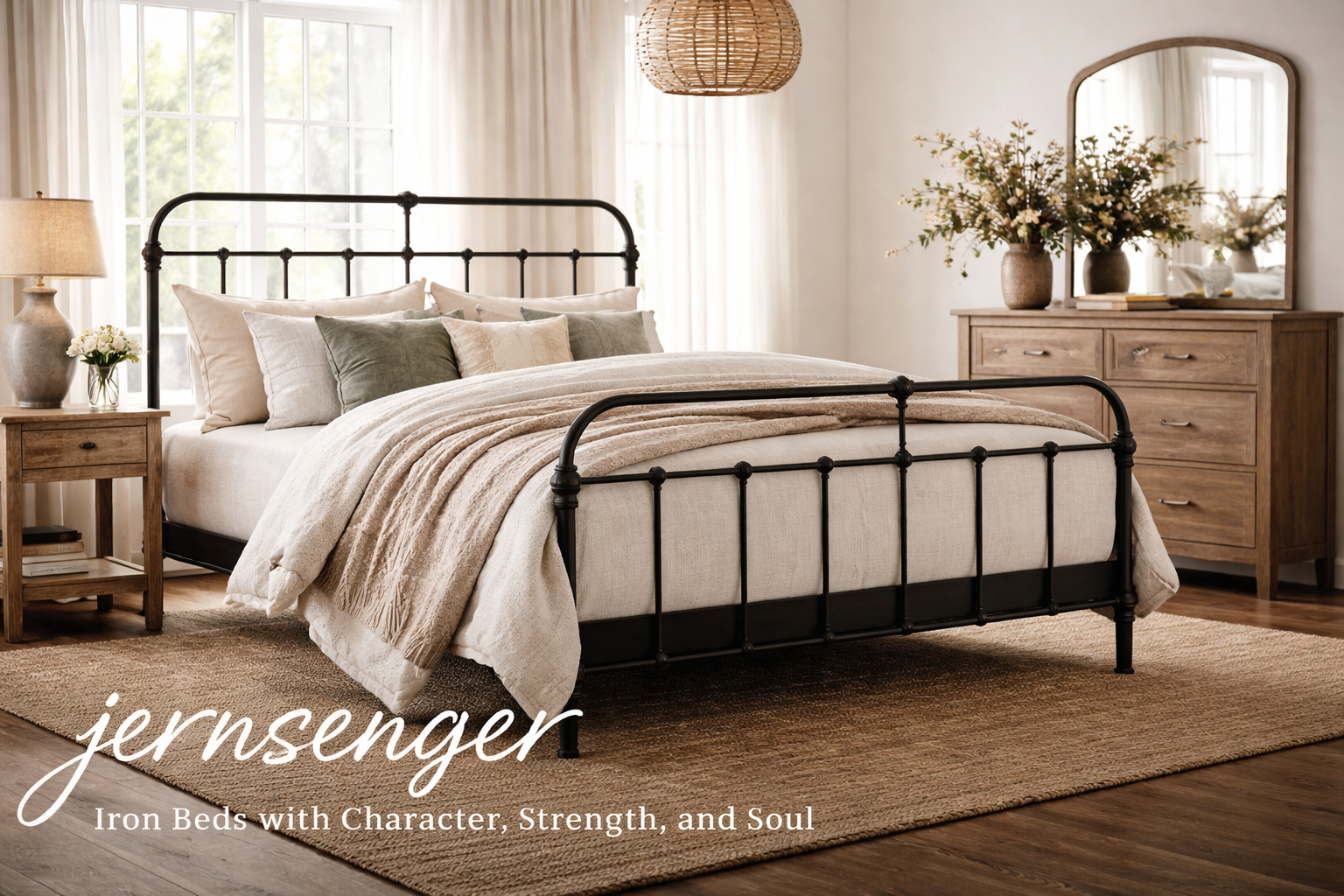
Modern jernsenger focus on simplicity and clean geometry. Straight lines, neutral colors, and slim frames make jernsenger ideal for minimalist or urban interiors. Industrial-style jernsenger embrace raw metal finishes and bold structures, offering a strong visual statement.
Because jernsenger can be customized in color and shape, they allow homeowners to express personal style. From elegant black frames to soft white finishes, jernsenger can either blend into the background or stand out as a design centerpiece.
Comfort and Practical Benefits of Jernsenger
Comfort is a key consideration when choosing any bed, and jernsenger perform exceptionally well in this area. The solid structure of jernsenger provides excellent mattress support, helping maintain proper sleeping posture and reducing unwanted movement during sleep.
Jernsenger are also known for their stability. Unlike lighter frames, jernsenger do not creak or shift easily, creating a quiet and restful sleeping environment. This stability is especially important for people who value uninterrupted sleep.
Another practical benefit of jernsenger is their compatibility with various mattress types. Whether using foam, spring, or hybrid mattresses, jernsenger provide a reliable base that enhances mattress performance.
Jernsenger in Modern Homes and Lifestyles
In modern living spaces, jernsenger fit seamlessly into different room sizes and layouts. Their open-frame design often makes rooms feel more spacious compared to bulky wooden beds. This makes jernsenger particularly suitable for apartments and smaller bedrooms.
Jernsenger also align well with sustainable living values. Their long lifespan reduces the need for frequent replacement, and iron is a recyclable material. Choosing jernsenger can therefore support environmentally conscious decisions.
On the jernsenger blog, we emphasize how jernsenger adapt to changing lifestyles. Whether used in family homes, guest rooms, or rental properties, jernsenger remain a reliable and stylish choice.
Maintenance and Care of Jernsenger
Maintaining jernsenger is relatively simple compared to other bed types. Regular cleaning with a soft cloth helps keep the surface free from dust and moisture. Protective coatings on jernsenger reduce the risk of corrosion and preserve appearance.
If minor scratches appear, they can often be treated easily without affecting the overall structure. This ease of maintenance makes jernsenger appealing to those who want durable furniture without complex care routines.
Proper maintenance ensures that jernsenger remain functional and attractive for many years. With minimal effort, jernsenger can look as good as new even after long-term use.
Why Jernsenger Remain a Timeless Choice
The enduring popularity of jernsenger lies in their balance of form and function. They offer strength without heaviness, elegance without fragility, and design without sacrificing comfort. Jernsenger are not tied to short-term trends, which makes them a long-term investment.
As interior styles evolve, jernsenger continue to adapt. Their ability to complement both classic and modern environments ensures they remain relevant across generations. This timeless quality is why jernsenger are often passed down or reused in different settings.
At jernsenger, we believe jernsenger represent more than furniture. They reflect thoughtful design, practical living, and lasting value.
Conclusion: The Lasting Value of Jernsenger
Jernsenger stand as a powerful example of how traditional materials can meet modern needs. Their durability, design flexibility, and comfort make jernsenger a preferred choice for many homeowners. From historical roots to contemporary applications, jernsenger continue to evolve without losing their core identity.
By choosing jernsenger, individuals invest in reliability, style, and long-term comfort. As highlighted throughout this guide on jernsenger, these beds offer a unique combination of strength and beauty that few alternatives can match.