Kotora Melnkalne is more than a geographic phrase—it is an invitation into a layered world where history, culture, and nature exist in remarkable harmony. Referring to the historic coastal town of Kotor in Montenegro, the term “kotora melnkalne” is widely used by travelers and writers from Baltic and Northern European regions to describe this Adriatic jewel. Nestled between dramatic limestone mountains and a calm, fjord-like bay, Kotora Melnkalne represents one of the most atmospheric destinations in Southern Europe. Its stone streets, medieval walls, and centuries-old traditions give the town a timeless quality that feels both authentic and alive.
Located along the breathtaking Bay of Kotor, Kotora Melnkalne offers a unique blend of Balkan heritage, Venetian influence, and Mediterranean lifestyle. The town’s compact size hides an astonishing depth of stories, from ancient Illyrian roots to its modern role as a cultural and tourism center. This article explores Kotora Melnkalne in detail, uncovering its history, architecture, daily life, traditions, and lasting appeal for travelers seeking meaning beyond ordinary sightseeing.
The Geographic Setting of Kotora Melnkalne
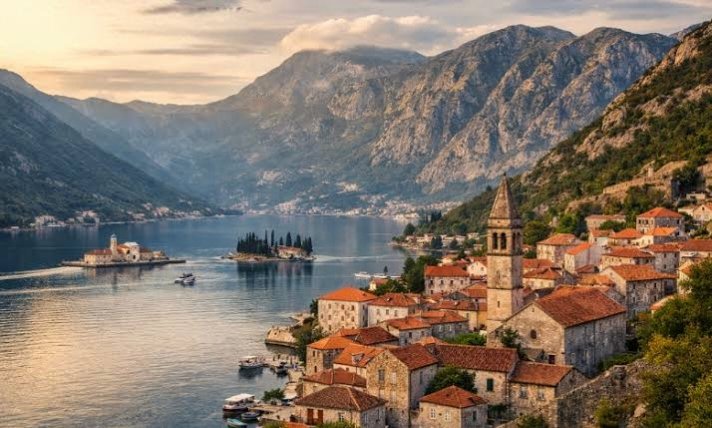
Kotora Melnkalne is situated on the southeastern edge of the Bay of Kotor, a winding body of water often mistaken for a fjord due to its steep mountain walls. In reality, the bay is a submerged river canyon, making it one of the most visually striking coastal formations in Europe. Towering peaks rise abruptly from the water, creating a natural fortress that has protected Kotor for centuries.
The town itself lies at the base of Mount Lovćen, a position that shaped its defensive architecture and urban layout. This dramatic landscape gives Kotora Melnkalne a feeling of seclusion, as if it exists in its own historical pocket, shielded from the rush of the modern world. The calm waters of the bay reflect stone palaces, church domes, and ancient walls, creating a scene that feels almost unreal in its symmetry and stillness.
Historical Foundations of Kotora Melnkalne
The history of Kotora Melnkalne stretches back over two millennia. The earliest known settlement in the area dates to Illyrian and Roman times, when the town was known as Acruvium. Its strategic position made it valuable to successive empires, including the Byzantines, Slavs, Venetians, and Austro-Hungarians.
During the Middle Ages, Kotor emerged as a powerful maritime and trading center. Under Venetian rule, which lasted for nearly four centuries, the town developed its distinctive architectural character. Fortifications were expanded, palaces were constructed, and churches were richly decorated. Many of these structures still stand today, giving Kotora Melnkalne an unusually well-preserved medieval appearance.
Despite earthquakes, invasions, and political changes, the town maintained its cultural identity. Each historical layer added depth rather than erasing what came before, resulting in a place where Roman foundations support Venetian palaces and Slavic traditions continue within stone walls built centuries ago.
Architecture and Urban Identity of Kotora Melnkalne
Walking through Kotora Melnkalne feels like stepping into an open-air museum. The old town is a labyrinth of narrow streets, small squares, and hidden courtyards, all enclosed by massive stone walls that climb the mountain behind it. These fortifications are among the most impressive in Europe, stretching several kilometers and culminating in a fortress high above the town.
The architecture reflects a strong Venetian influence, visible in arched windows, ornate balconies, and carved stone facades. At the same time, local craftsmanship gives these buildings a unique character distinct from Italian coastal cities. Romanesque, Gothic, Renaissance, and Baroque styles coexist naturally, creating a visually rich urban landscape.
Churches play a central role in the town’s architectural identity. The Cathedral of Saint Tryphon, with its twin towers and Romanesque design, stands as a symbol of Kotora Melnkalne’s spiritual and cultural history. Smaller churches scattered throughout the old town reflect the deep religious traditions that have shaped daily life for generations.
Cultural Life and Traditions in Kotora Melnkalne
Kotora Melnkalne is not frozen in time; it is a living town where traditions are actively practiced rather than simply displayed. Local festivals, religious celebrations, and cultural events continue to shape the rhythm of life. One of the most important traditions is the celebration of Saint Tryphon, the town’s patron saint, which includes processions, music, and traditional dress.
Music and art have long been central to Kotor’s identity. Classical concerts are often held in historic churches and palaces, where acoustics and atmosphere combine to create unforgettable experiences. Traditional singing groups, known as klapa, preserve coastal vocal traditions that have been passed down through generations.
Daily life in Kotora Melnkalne moves at a slower pace, especially within the old town. Locals gather in small cafés, exchange greetings in narrow streets, and maintain a strong sense of community. This human scale and warmth are key reasons why visitors often feel an emotional connection to the town.
Kotora Melnkalne and the Adriatic Maritime Legacy
The sea has always been central to the identity of Kotora Melnkalne. For centuries, the town was home to skilled sailors, shipbuilders, and merchants who traveled across the Adriatic and beyond. Maritime schools and brotherhoods played an essential role in educating generations of seafarers.
This maritime heritage is preserved in museums, archives, and family traditions. Old sailing charts, ship models, and navigational instruments tell stories of long voyages and international trade. The bay itself remains active, with small fishing boats, yachts, and cruise ships sharing the same waters once dominated by wooden merchant vessels.
The relationship between the town and the sea is deeply emotional as well as practical. The bay provides not only livelihood but also identity, shaping local cuisine, language expressions, and seasonal rituals connected to fishing and sailing.
Natural Beauty Surrounding Kotora Melnkalne
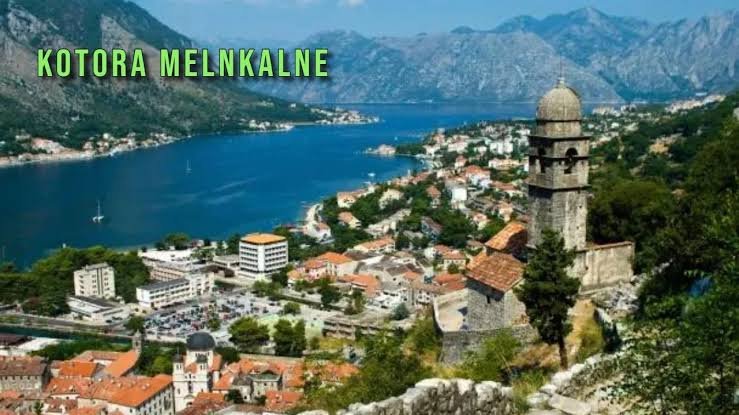
Beyond its architectural and cultural riches, Kotora Melnkalne is surrounded by exceptional natural beauty. The contrast between the calm bay and the rugged mountains creates a landscape of constant visual drama. Light changes throughout the day transform the color of the water and stone, making even familiar views feel new.
Hiking paths above the town offer panoramic views that reveal the full scale of the bay’s winding shape. From higher elevations, Kotora Melnkalne appears small and delicate, emphasizing how closely human settlement is tied to the natural environment. These surroundings encourage a deeper appreciation for balance between development and preservation.
The natural setting also contributes to a sense of peace that many visitors describe as transformative. The silence of early mornings, broken only by church bells and distant waves, reinforces the town’s meditative atmosphere.
Modern Tourism and Kotora Melnkalne
In recent decades, Kotora Melnkalne has gained international recognition as a premier travel destination. Cruise ships, independent travelers, and cultural tourists are drawn by its beauty and authenticity. While tourism has brought economic benefits, it has also raised questions about sustainability and preservation.
Local authorities and residents work to protect the town’s heritage while accommodating visitors. Restoration projects, regulations on construction, and cultural education programs aim to ensure that Kotora Melnkalne remains true to its character. The challenge lies in balancing global interest with local life, a task that requires long-term vision and community involvement.
For travelers who approach the town with respect and curiosity, Kotora Melnkalne offers a rewarding experience that goes far beyond photography. It invites reflection, learning, and genuine human connection.
The Enduring Spirit of Kotora Melnkalne
What ultimately defines Kotora Melnkalne is not a single monument or historical fact, but a feeling. It is the sense of continuity between past and present, the quiet confidence of a town that knows its value without needing to announce it loudly. Stone walls, sea air, and human stories combine to create a place that stays with visitors long after they leave.
Kotora Melnkalne reminds us that history is not only something to be studied, but something to be lived. Its streets encourage slowing down, observing details, and appreciating the resilience of cultures that endure through centuries of change.
Read More:https://jernsenger.co.uk/asbestlint/
Conclusion: Why Kotora Melnkalne Truly Matters
Kotora Melnkalne stands as one of Europe’s most compelling examples of cultural and natural harmony. Its rich history, preserved architecture, living traditions, and breathtaking setting make it far more than a tourist destination. It is a place where the past informs the present, where human life adapts respectfully to nature, and where authenticity still thrives in a rapidly changing world.
For those who seek depth in travel and meaning in place, Kotora Melnkalne offers an experience that resonates on emotional, intellectual, and spiritual levels. It is not simply somewhere you visit—it is somewhere you remember.
Frequently Asked Questions About Kotora Melnkalne
What does the term kotora melnkalne mean?
Kotora Melnkalne is a phrase commonly used to describe the town of Kotor in Montenegro, especially in Baltic languages, combining the city name with the local term for the country.
Where is Kotora Melnkalne located?
Kotora Melnkalne is located in Kotor, along the Bay of Kotor in Montenegro, on the Adriatic coast of Southeastern Europe.
Why is Kotora Melnkalne historically important?
Kotora Melnkalne has been a significant maritime and cultural center for centuries, influenced by Roman, Byzantine, Venetian, and Slavic civilizations, all of which shaped its identity.
What makes Kotora Melnkalne unique compared to other coastal towns?
Its combination of dramatic mountain scenery, well-preserved medieval architecture, and living cultural traditions sets Kotora Melnkalne apart from many other Adriatic destinations.
Is Kotora Melnkalne suitable for cultural travelers?
Yes, Kotora Melnkalne is especially appealing to cultural travelers interested in history, architecture, music, and authentic local life rather than mass tourism experiences.