
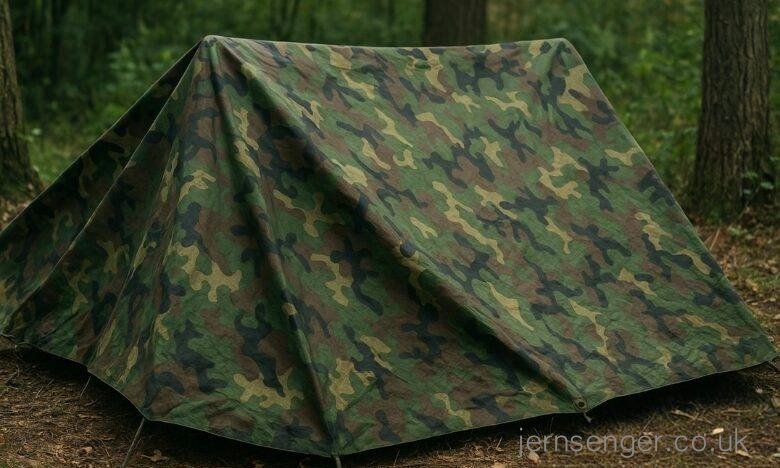
Introduction to Tarnplanen
Tarnplanen are versatile camouflage tarps designed to blend seamlessly into natural or urban environments while providing reliable protection from weather and external elements. Originally associated with military applications, these camouflaged tarps have evolved into a widely used tool across outdoor recreation, survival training, hunting, gardening, construction, and emergency preparedness.
What makes Tarnplanen particularly valuable is their combination of durability, concealment, and adaptability. Whether used as a shelter, cover, ground sheet, or visual barrier, Tarnplanen offer a unique balance of practicality and discretion. In this in-depth article, we will explore the origins, materials, types, applications, advantages, and best practices related to Tarnplanen—giving you a complete understanding of why they are so highly regarded.
What Are Tarnplanen?
At their core, Tarnplanen are camouflage-patterned tarpaulins made from durable, weather-resistant materials. The word itself comes from German, where “Tarn” refers to camouflage and “Planen” means tarps or sheets. Together, the term refers to tarps designed specifically to conceal, protect, and adapt.
Unlike standard tarps, Tarnplanen are engineered not just for coverage but also for visual integration into surroundings. Their camouflage patterns reduce visibility, making them ideal in situations where discretion is important.
The History and Evolution of Tarnplanen
Military Origins of Tarnplanen
The earliest Tarnplanen were developed for military use. Armed forces needed lightweight yet strong materials that could hide equipment, vehicles, and personnel from visual detection. Early versions were made from heavy canvas, often hand-painted or dyed with natural pigments.
As technology advanced, Tarnplanen evolved with synthetic materials that offered better weather resistance and lighter weight. Modern camouflage designs are scientifically engineered to break up outlines and mimic natural textures.
Civilian Adoption Over Time
Over time, outdoor enthusiasts recognized the value of Tarnplanen. Campers, hunters, survivalists, and adventurers began using them for shelters, blinds, and gear protection. Today, Tarnplanen are widely available for civilian use in various sizes, colors, and materials.
Materials Used in Modern Tarnplanen
The effectiveness of Tarnplanen largely depends on the materials used in their construction. Each material offers specific advantages.
Polyester Tarnplanen
Polyester-based Tarnplanen are lightweight, waterproof, and resistant to UV damage. They are easy to pack and ideal for hiking, camping, and temporary shelters.
Ripstop Fabric Tarnplanen
Ripstop Tarnplanen are reinforced with a grid pattern that prevents small tears from spreading. This makes them particularly useful in rugged environments where abrasion and tension are common.
Canvas Tarnplanen
Canvas versions are heavier but extremely durable. They provide excellent insulation and are often used for semi-permanent setups or heavy-duty coverage.
Polyethylene Tarnplanen
These are budget-friendly and highly waterproof. While not as breathable as fabric options, polyethylene Tarnplanen are ideal for covering equipment, firewood, or construction materials.
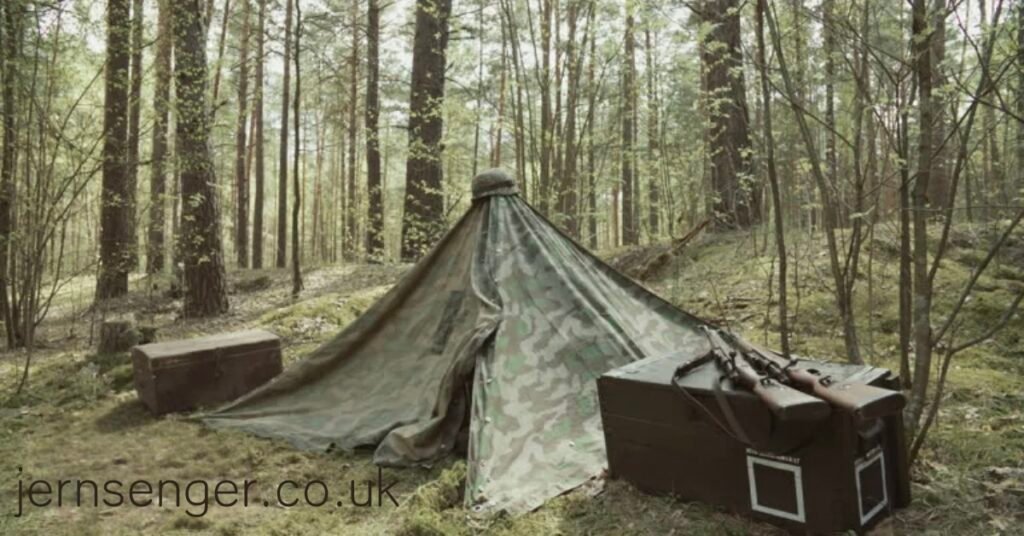
Types of Tarnplanen and Their Designs
Woodland Tarnplanen
Designed to blend into forests and wooded environments, woodland Tarnplanen feature green, brown, and black patterns that mimic leaves, bark, and shadows.
Desert Tarnplanen
These Tarnplanen use tan, beige, and light brown tones, making them suitable for arid and sandy environments.
Snow and Winter Tarnplanen
Winter variants use white and light gray patterns to blend into snowy landscapes, offering concealment in cold climates.
Urban Tarnplanen
Urban camouflage Tarnplanen use muted grays and angular patterns, making them suitable for industrial or city environments.
Practical Uses of Tarnplanen
Tarnplanen for Camping and Outdoor Adventures
One of the most common uses of Tarnplanen is in camping. They can be set up as:
- Rain shelters
- Ground covers
- Windbreaks
- Improvised tents
Their adaptability allows campers to create custom shelters tailored to weather and terrain.
Tarnplanen in Hunting and Wildlife Observation
Hunters use Tarnplanen to construct blinds that reduce visibility and movement detection. Wildlife photographers and researchers also rely on them to observe animals without disturbance.
Tarnplanen in Survival and Bushcraft
In survival scenarios, Tarnplanen are invaluable. They can serve as emergency shelters, signal panels, water collectors, or insulation layers. Their camouflage helps maintain a low profile in wilderness settings.
Tarnplanen for Gardening and Landscaping
Gardeners use Tarnplanen to protect plants from frost, shade sensitive crops, or conceal compost areas. Their durability makes them reusable across seasons.
Tarnplanen in Construction and Storage
Construction sites use Tarnplanen to protect materials from rain, dust, and sun. They are also used for temporary fencing and privacy screens.
Advantages of Using Tarnplanen
Concealment and Visual Integration
The primary advantage of Tarnplanen is their ability to blend into surroundings. This makes them ideal where discretion or aesthetic harmony is required.
Weather Protection
Most Tarnplanen are waterproof or water-resistant, protecting people and equipment from rain, snow, and wind.
Versatility and Reusability
A single Tarnplane can be used in dozens of ways, from shelter building to equipment coverage.
Durability and Longevity
High-quality Tarnplanen are designed to withstand harsh conditions, making them a long-term investment.
More From Info:https://jernsenger.co.uk/schedow/
How to Choose the Right Tarnplanen
Consider the Environment
Select camouflage patterns that match your primary environment, whether forest, desert, snow, or urban.
Size and Weight Matters
Larger Tarnplanen offer more coverage but are heavier. Balance portability with functionality.
Waterproof Rating and Breathability
Look for materials that suit your climate. Breathable fabrics reduce condensation, while fully waterproof options excel in wet environments.
Attachment Points and Reinforcement
Grommets, loops, and reinforced edges increase usability and durability.
Maintenance and Care of Tarnplanen
Proper care extends the life of Tarnplanen:
- Clean with mild soap and water
- Avoid prolonged UV exposure when not in use
- Store dry to prevent mold
- Repair small tears promptly
Regular maintenance ensures your Tarnplane remains effective for years.
Environmental Considerations
Many modern Tarnplanen are now produced with eco-friendly coatings and recyclable materials. Choosing sustainable options reduces environmental impact while maintaining performance.
The Future of Tarnplanen
Advancements in textile technology continue to improve Tarnplanen. Future designs may include:
- Infrared reduction coatings
- Lightweight composite fabrics
- Smart materials that adapt to surroundings
These innovations will expand their applications even further.
Conclusion: Why Tarnplanen Are a Smart Investment
Tarnplanen represent an exceptional blend of practicality, adaptability, and durability. From outdoor recreation to emergency preparedness, their ability to provide protection while blending into the environment makes them an indispensable tool. Whether you are an adventurer, gardener, hunter, or someone preparing for unexpected situations, Tarnplanen offer reliable performance across countless scenarios. Investing in the right Tarnplane means investing in flexibility, resilience, and peace of mind.
Frequently Asked Questions About Tarnplanen
1. What makes Tarnplanen different from regular tarps?
Tarnplanen feature camouflage patterns and are often designed with reinforced materials for concealment and durability, unlike standard tarps.
2. Are Tarnplanen fully waterproof?
Many Tarnplanen are waterproof or highly water-resistant, though breathability varies depending on the material.
3. Can Tarnplanen be used year-round?
Yes, with the right material and design, Tarnplanen can be used in all seasons, including winter and summer.
4. How long do Tarnplanen typically last?
With proper care, high-quality Tarnplanen can last several years even with frequent use.
5. Are Tarnplanen suitable for emergency preparedness?
Absolutely. Their versatility makes them ideal for shelters, insulation, and equipment protection during emergencies.