
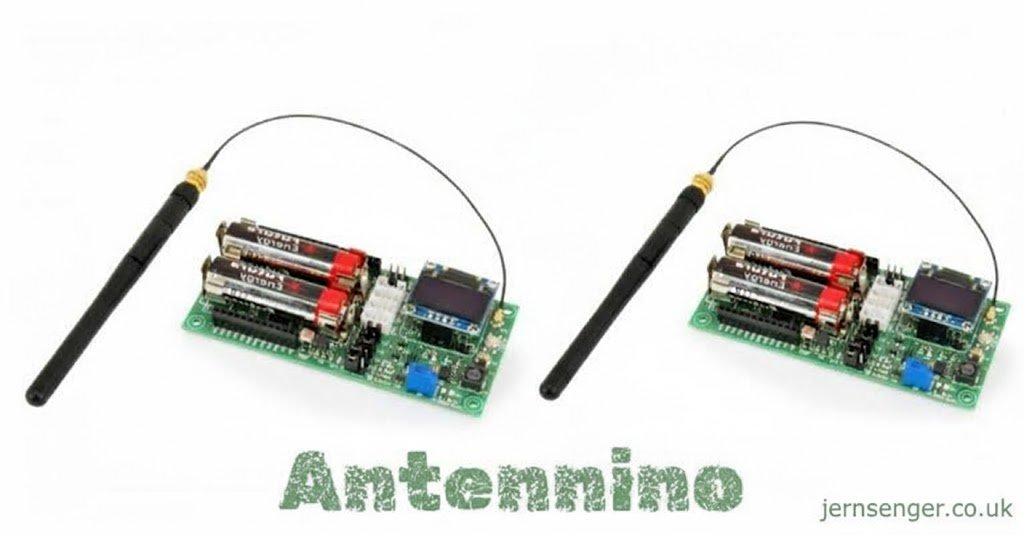
Introduction: What Is Antennino and Why It Matters
The word antennino may sound simple, but it carries a surprisingly wide range of meanings and applications depending on context. Commonly used in Italian and technical discussions, antennino generally refers to a small antenna or compact signal receiver designed to transmit or receive electromagnetic waves. Today, antennino components are found everywhere—from home electronics and vehicles to advanced communication systems and smart devices.
As wireless technology continues to shape modern life, the antennino plays a quiet but essential role. Without it, many of the conveniences we rely on daily—clear radio reception, stable internet connections, GPS navigation, and wireless communication—would simply not work. This article explores antennino in depth, covering its definition, types, functionality, real-world uses, installation considerations, and future developments, all in a clear and practical way.
Antennino: Definition and Basic Concept
At its core, an antennino is a miniaturized antenna designed for efficiency within limited space. Unlike large traditional antennas mounted on towers or rooftops, an antennino is compact, discreet, and often integrated directly into electronic devices.
The main purpose of an antennino is to:
- Receive signals (radio, TV, GPS, Wi-Fi, cellular)
- Transmit signals over short or medium distances
- Maintain signal stability in compact environments
Because modern devices prioritize portability and sleek design, the antennino has become increasingly important in engineering and electronics.
How an Antennino Works
An antennino operates on the same fundamental principles as any antenna. It converts electrical signals into electromagnetic waves and vice versa. The difference lies in its size and optimization.
Key functional elements include:
- Conductive material that interacts with electromagnetic fields
- Tuning to specific frequencies for clear reception
- Impedance matching to reduce signal loss
Despite its small size, a well-designed antennino can perform remarkably well, especially when paired with modern signal-processing technology.
Types of Antennino and Their Applications
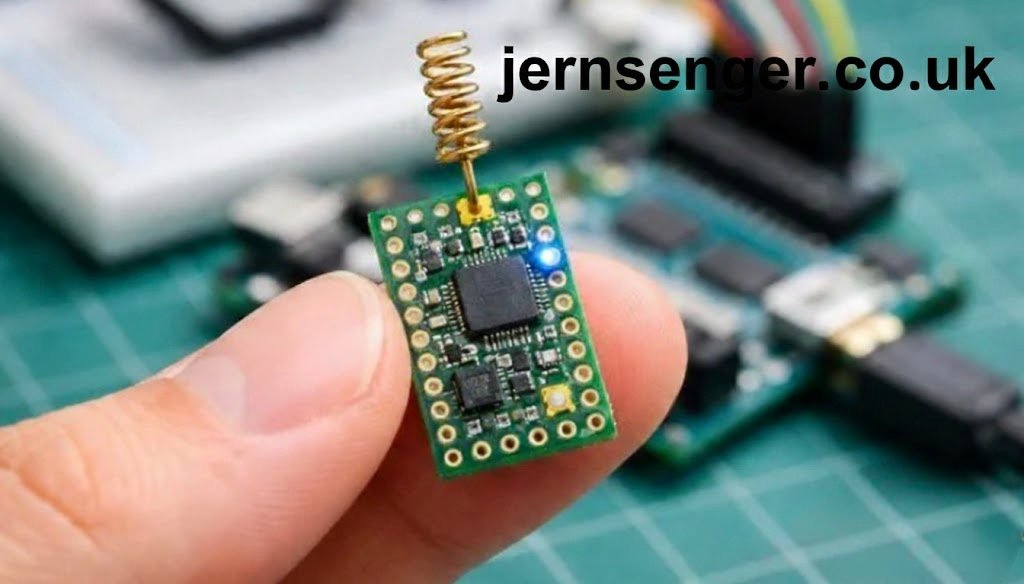
There is no single universal antennino design. Different models serve different purposes depending on frequency range, environment, and device requirements.
1. Antennino for Radio and Audio Devices
These are commonly found in:
- Portable radios
- Car audio systems
- Emergency communication tools
They are optimized for FM, AM, or digital radio frequencies.
2. Antennino for Television Reception
Compact TV antennas are designed to receive:
- Digital terrestrial television (DTT)
- Local broadcast signals
They are often placed indoors and rely on signal amplification.
3. Antennino for Mobile and Smart Devices
Smartphones, tablets, and wearables contain multiple antennino units for:
- Cellular networks
- Bluetooth
- Wi-Fi
- GPS
Each one is carefully engineered to avoid interference while maintaining performance.
4. Antennino for Vehicles
Vehicles use specialized antennino systems for:
- Radio reception
- GPS navigation
- Keyless entry systems
- Vehicle-to-vehicle communication
These are designed to withstand weather, vibration, and motion.
5. Antennino for IoT and Smart Homes
In smart homes and industrial IoT, antennino components enable:
- Sensor communication
- Wireless automation
- Remote monitoring
Antennino in Everyday Life
Many people use antennino-based technology daily without realizing it. Examples include:
- Streaming music via Bluetooth headphones
- Navigating with GPS while driving
- Connecting smart TVs to wireless networks
- Using wireless security systems
In each case, the antennino ensures stable communication between devices and networks.
More From Info:https://jernsenger.co.uk/newtopy/
Antennino Installation: Best Practices
Proper installation is crucial for optimal performance. Even the best antennino can underperform if placed incorrectly.
Placement Tips for Antennino
- Keep it away from large metal objects
- Avoid placing it near sources of electrical noise
- Position it according to signal source direction
- Ensure secure mounting to prevent movement
Indoor vs Outdoor Antennino
- Indoor antennino models are compact and convenient but may suffer from interference
- Outdoor antennino solutions offer stronger reception but require weatherproofing
Advantages of Using an Antennino
The popularity of antennino technology is not accidental. Key advantages include:
- Compact size suitable for modern device design
- Energy efficiency with low power consumption
- Versatility across multiple frequency bands
- Cost effectiveness in mass production
- Ease of integration into existing systems
These benefits make the antennino a preferred choice for engineers and manufacturers alike.
Limitations and Challenges of Antennino Technology
Despite its strengths, an antennino also has limitations:
- Reduced range compared to large antennas
- Higher sensitivity to interference
- Performance depends heavily on placement
- Limited efficiency at very low frequencies
Understanding these constraints helps users choose the right solution for their needs.
Antennino vs Traditional Antenna
| Feature | Antennino | Traditional Antenna |
|---|---|---|
| Size | Very small | Large |
| Portability | High | Low |
| Installation | Simple | Complex |
| Signal Range | Short to medium | Medium to long |
| Use Case | Personal devices | Broadcast and infrastructure |
This comparison highlights why antennino designs dominate consumer electronics, while traditional antennas remain essential for large-scale communication.
Future Trends in Antennino Development
As technology evolves, antennino designs are becoming more advanced. Future developments include:
- Multi-band antennino systems handling several frequencies at once
- Smart adaptive antennino that adjusts to signal conditions
- Flexible and printed antennino for wearable technology
- Integration with AI-driven signal optimization
These innovations will further enhance wireless communication while keeping devices compact and efficient.
Choosing the Right Antennino for Your Needs
When selecting an antennino, consider:
- Frequency requirements
- Indoor or outdoor usage
- Device compatibility
- Environmental conditions
- Budget and durability
Making an informed choice ensures reliable performance and long-term satisfaction.
Conclusion: Why Antennino Is More Important Than Ever
The antennino may be small, but its impact on modern communication is enormous. From enabling everyday wireless connections to supporting advanced smart technologies, this compact component has become a cornerstone of the digital age. Understanding how an antennino works, where it is used, and how to choose the right one empowers users to make better decisions and appreciate the technology behind their devices.
As wireless systems continue to expand, the role of the antennino will only grow stronger—quietly connecting the world, one signal at a time.
Frequently Asked Questions About Antennino
1. What does antennino mean?
Antennino generally refers to a small or compact antenna designed for signal transmission or reception in limited spaces.
2. Where is an antennino commonly used?
It is used in smartphones, radios, cars, smart devices, GPS systems, and IoT applications.
3. Can an antennino replace a large antenna?
For short-range or personal use, yes. For long-distance broadcasting, traditional antennas are still necessary.
4. Does antennino placement affect performance?
Yes, placement significantly impacts signal quality, stability, and interference levels.
5. Are antennino systems future-proof?
Modern antennino designs are evolving rapidly and are well-suited for future wireless technologies.